
Biodiversity encompasses the diversity of life on Earth, including the diversity of genes, of species, of ecosystems, and of functions. While a vast portion of the planet’s natural wonders remain undiscovered, the biodiversity we do know supports critical processes like pollination, nutrient cycling, and climate regulation.
This article covers 4 types of biodiversity, including the definition, importance, examples, threats and the importance of biodiversity as a whole. Explore how maintaining biodiversity is essential for a thriving planet and sustainable future, and how England is paving the way with the Biodiversity Net Gain policy; addressing development as one of the key contributors to biodiversity loss.
What is Biodiversity?
Biodiversity is the variety of living things on the planet: the trillions of genes, the millions of species, the thousands of ecosystems, and the countless ecological functions they carry out.
Scientists usually describe biodiversity at three core levels: genetic, species, and ecosystem diversity. A fourth, functional diversity, is widely used in ecology to capture the roles organisms play, and we treat it as a full type here.
Researchers estimate there are around 8.7 million species on Earth, and most have never been formally described. Studies suggest roughly 86% of land species and 91% of marine species are still unidentified.
At a discovery rate of about 18,000 species a year, fully cataloguing life on Earth could take centuries. Put another way, more than a million species could be named within a single human lifetime.
The biodiversity we know is grouped into four types: genetic, species, ecosystem, and functional diversity. Each is covered below.
Types of Biodiversity
Biodiversity is multifaceted, encompassing the variety of nature, species, ecosystems, and life forms. Four categories cover everything from genes to ecosystems, both crucially distinguishable plus intrinsically connected.
- Genetic diversity – covers gene variations between populations, covering species’ adaptive capacity in situations of environmental change. Picture breeds of dogs, varieties of apples, or blood types in humans.
- Species diversity – covers the variety of species within an area, indicating ecosystem health and services. Imagine a rainforest: full of diverse species like frogs, orchids and jaguars, or a coral reef: packed with sea turtles, corals, sharks and fish.
- Ecosystem diversity – covers a variety of habitats, ecological processes and communities. Picture all the different ecosystems around the world, from deserts to tundras.
- Functional diversity – covers the range of roles played by organisms within an ecosystem. Amongst many, this could be decomposers, pollinators, seed dispersers, and predators.
| Type | Scale | In plain terms |
|---|---|---|
| Genetic diversity | Within a species | Variation in genes between individuals (why cheetahs are vulnerable and wolves are resilient) |
| Species diversity | Within an ecosystem or region | The number and balance of different species; what most people picture when they think of biodiversity |
| Ecosystem diversity | Across landscapes or the planet | The variety of habitats and ecological communities, from coral reefs to arctic tundra |
| Functional diversity | Roles within an ecosystem | The range of biological functions species perform: pollination, decomposition, predation, and more |
Genetic Diversity
Definition
Genetic diversity is the variety of genes within a population or species, including the range of alleles and DNA sequences its members carry.
Higher genetic diversity generally means a healthier, more resilient population, because it gives a species more raw material to adapt to pressures like pollution, climate change, or invasive species.
It builds up in a few ways. Sexual reproduction recombines genes into new combinations. Random mutations introduce new variants. Gene flow moves genes between populations.
Importance
Genetic biodiversity is important as, without it, species would be wiped out by any external harm. It allows species to be adaptable, reducing the risk of them becoming endangered species by ensuring there’s a varied pool of genes full of potential survival traits.
If one species had all the same genes, not only would that lead to harmful inbreeding and population collapse, but if a second disease was added to the equation that the species couldn’t combat, you’d witness a detrimental species-wide wipeout.
Examples
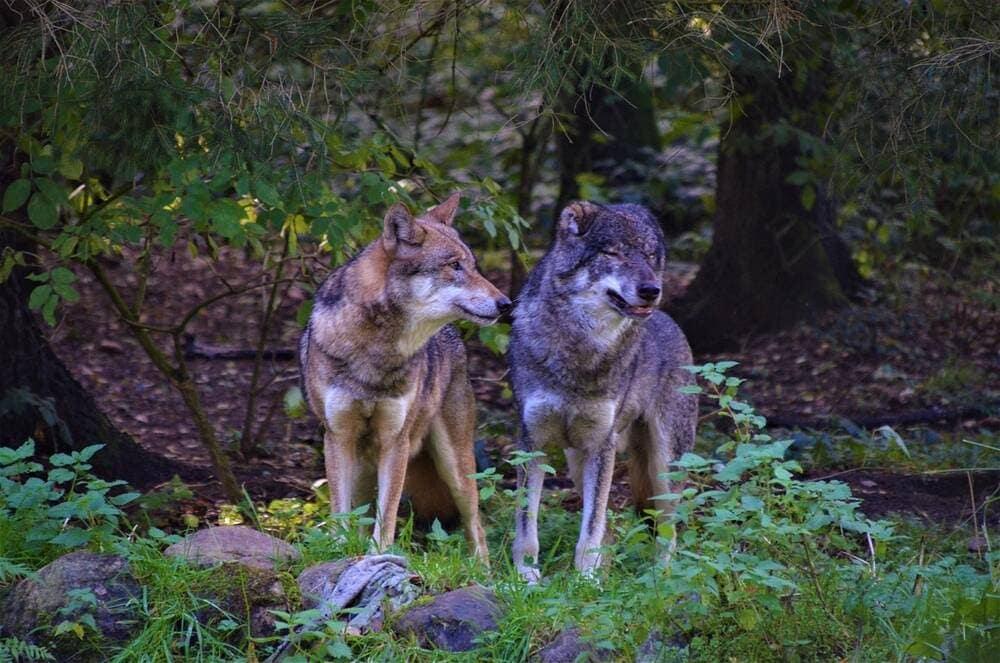
For example, grey wolves have high genetic diversity in varied environments and can thrive across many ecosystems, whereas African cheetahs do not, making them vulnerable to disease and extinction.
The blue tit bird showcases genetic diversity in that woodland birds’ wings are shorter to fly well amongst trees, whereas hedgerow birds’ wings are longer so they can cover greater distances. When blue tits find mates in new territories, their wingspan shifts over time as one of them becomes less common, altering the genetic diversity.
Threats
Habitat fragmentation can cause losses of genetic diversity as species are less able to travel to new territories to find a mate, leading to a limited gene pool with a heightened risk of inbreeding.
Climate change poses risks as unprecedented, harsher conditions will wipe out more susceptible species less able to adapt. In the same vein, pollution or chemical exposure may mutate or damage genes in populations.
The activity of overexploitation of certain species—prevalent in fishing—also reduces genetic variation.
Species Diversity
Definition
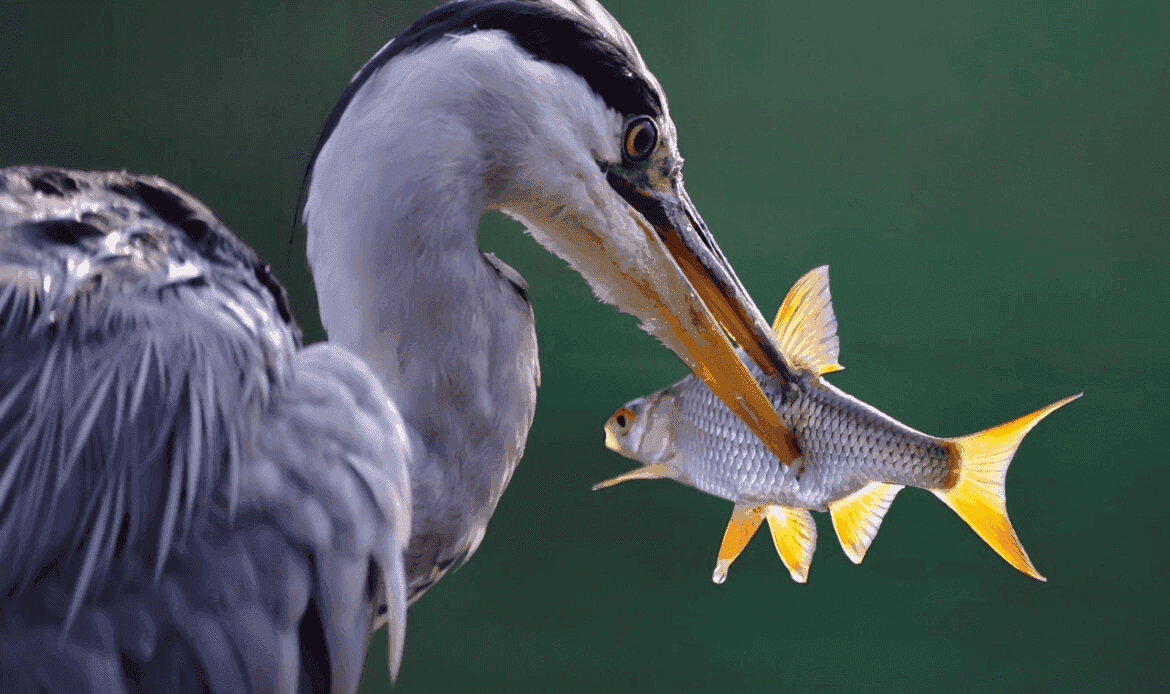
Stepping away from a genetic perspective, species diversity encompasses the variety of entire species on Earth or within an ecosystem. The more complex a food web or chain, the more species diversity it has.
This involves 2 primary concepts: species richness, the number of species, and species evenness, the relative abundance of each species.
Without species diversity, ecosystem collapse would prevail, as ecosystems would not be resilient to changes or external threats.
Importance
With high ecosystem biodiversity, there are more ecosystem services, resilience, and productivity.
With species diversity, a stable supply of food for organisms at multiple levels is maintained, and the food web is well-supported.
Species richness is crucial, as it improves the likelihood of pollinators, medicinal plants, and other organisms that contribute largely to human well-being.
Think of a monoculture—these produce short-term, high-profit yields, and detrimentally harm nature in the long run. Species biodiversity offers aesthetic, recreational, cultural, and overall multitudes of value, enriching the human experience.
Examples
To picture species biodiversity, picture beautiful, colourful, fluttering, buzzing, rich nature—a place where thousands upon thousands of plants and animals and insect species coexist harmoniously.
A rainforest is an excellent example, with some of the most rich and varied species in the world, and creating some of the most ecologically-valuable biodiversity hotspots.
Areas with low species diversity are those that must be conserved, such as the Atacama desert, with a fragile, unstable ecosystem, or the Arctic tundra, where extreme cold and short-growing seasons lead to restricted nutrient availability.
Threats
Species diversity is under threat from habitat loss, deforestation, and agriculture, which wipe out habitats and reduce species populations.
Climate change poses a significant threat, with altered patterns in weather, rising temperatures, and ecosystem disruptions due to shifts in habitats.
Fragmenting habitats leads to isolation and lack of breeding, causing ecosystem collapse, and makes species more vulnerable to external harm or extinction.
Pollution degrades ecosystems, and is harmful to a great majority of species.
Ecosystem Diversity
Definition
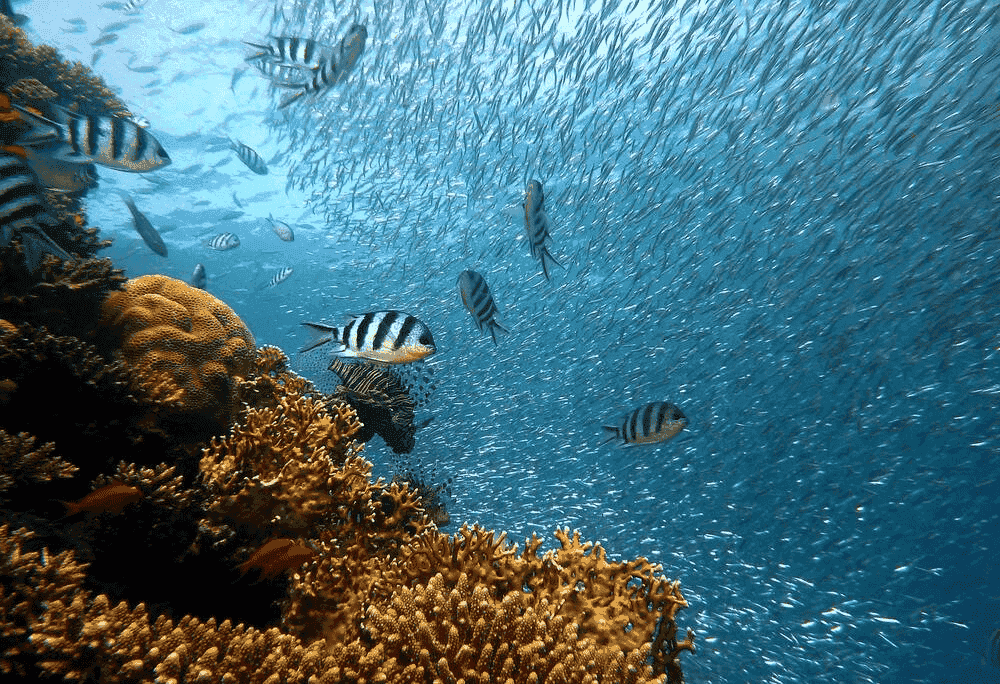
The largest scale of biodiversity, ecosystem diversity covers the variety of ecosystems across the planet, in a set region, geographical context, or within a specific ecosystem.
This could be forests, coral reefs, wetlands, grasslands, oceans, deserts, or thousands of other varied ecosystems.
Ecosystem diversity covers different physical environments, different interactions within ecosystems, and the variety of species and processes that shape those ecosystems’ structures and functions.
The biosphere depends on ecosystem diversity to function, and without it, essential processes like nutrient cycling, climate regulation, and species interactions would collapse.
Importance
The higher the ecosystem diversity, the wider the range of species that can be supported. It directly equates to biodiversity levels, maintaining the health of our environment, keeping species from extinction, and regulating the Earth’s climate.
When ecological balances are maintained and ecosystems stay resilient, human life is sustained, as we depend on nature for essentials like clean air, food, water, and medicine.
Varieties of ecosystems produce benefits relied on by countless industries, such as tourism and fishing to silkworm larvae for silk.
Examples
Ecosystems vary wildly, such as tropical rainforests’ complex structure of layered canopies, with rich plant and animal life leading to high productivity.
Varying wildly is a coral reef; a marine ecosystem with diverse coral, fish, and other marine species.
In contrast, a desert ecosystem is temperate and arid, with cacti, reptiles, and other especially-adapted species.
Tundra ecosystems lack biodiversity, consisting of treeless, near-freezing environments, packed with adapted species such as mosses, lichens, and Arctic animals.
Threats
Climate change reshapes individual habitats, and on a wider scale it can destabilise entire ecosystems and the species that depend on them.
Overexploitation does similar damage. Heavy logging in the Amazon, for instance, drains an ecosystem faster than it can recover.
Urbanisation clears ecosystems wholesale to make way for housing, agriculture, and infrastructure. England’s Biodiversity Net Gain policy is designed to counter that, requiring development to leave habitats measurably richer than before.
Functional Diversity
Definition
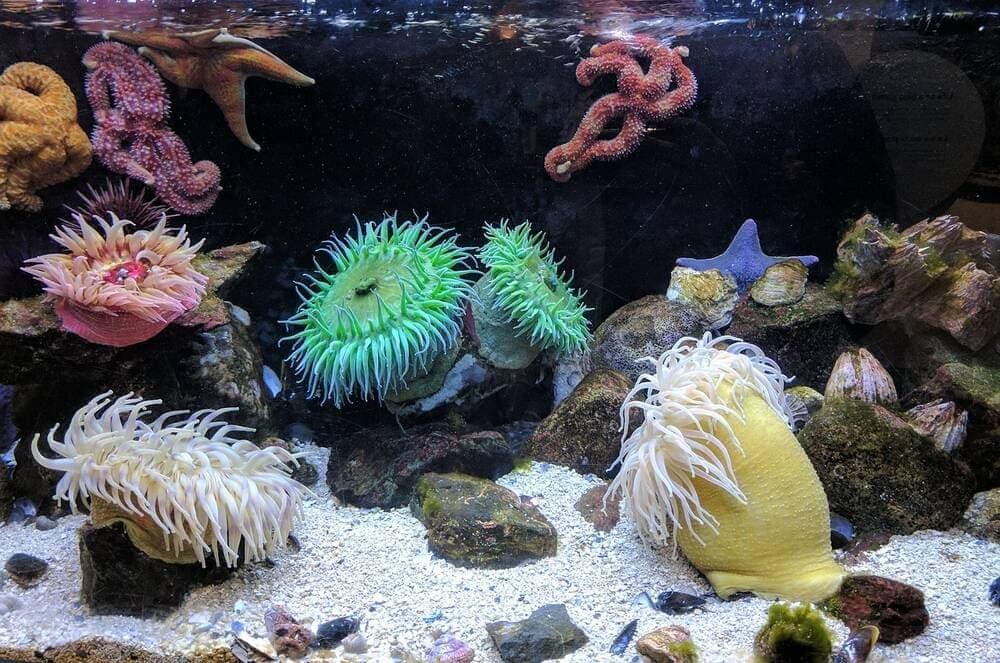
Functional biodiversity refers to varieties of functions (such as decomposition), biological roles (such as pollinators), and processes (such as photosynthesis).
Instead of diversity of genes, species, or ecosystems, functional diversity encompasses the different ways that species interact with each other and their environment.
When measuring functional biodiversity, you’re ensuring that an ecosystem can effectively operate and run essential functions like water purification, pollination, nutrient cycling, and climate regulation.
Importance
Functional diversity is important as measuring biodiversity from a numerical perspective alone—the number of genes, different species, or ecosystems fails to account for the specific roles each species or ecosystem plays in maintaining the health and functionality of the environment.
If ecosystems are copious in number but limited in function, they may struggle to adapt to changes, reducing ecosystem resilience and services.
Pollinators would decline, and vital sources for human food, medicine, and well-being would be depleted. Without water purification, water quality would deteriorate, leading to health risks and loss of aquatic biological diversity.
Examples
There are countless examples of functional diversity helping nature thrive. Seed dispersers, like birds and mammals, cause plant regeneration leading to diverse plant communities.
Predators such as wolves keep herbivore populations at a healthy rate, and withstand across multiple levels of the food chain. Without this predatory hierarchy, ecosystems lose structure and balance, which can lead to collapse.
Without the photosynthesiser plants that produce energy by capturing sunlight, there would be no bottom layer of the food chain, hence no food chain at all.
Threats
Invasive species pose a significant threat to functional biodiversity by outcompeting native and endemic species. When this happens, the hard-set functions of a thriving ecosystem are disrupted and reduced, leading to functional homogenisation (loss of diversity).
Loss of keystone species, such as a keystone predator within the food chain, further disrupts the balance by leading to overpopulations and loss of vegetation or prey species, ultimately destabilising the entire ecosystem.
Why Biodiversity is Important
Biodiversity keeps ecosystems stable and reliable, so they do not collapse the moment a climate shift, natural disaster, or other shock arrives.
It also drives productivity. Richer ecosystems do more of the work humans rely on, including building soil fertility, filtering water, and cycling nutrients.
Biodiversity is central to the climate fight too. Oceans and forests store and capture carbon, biomass offers a renewable energy source, and diverse ecosystems hold up better against extreme weather.
Threats to Biodiversity
The biggest threats to biodiversity are urbanisation, development, deforestation, habitat fragmentation, and pollution. Together they destroy natural habitats, push species toward extinction, and leave ecosystems unable to function.
England has moved to address this through Biodiversity Net Gain (BNG), introduced by the Environment Act 2021. Since 12 February 2024, most new developments in England must deliver at least a 10% increase in biodiversity value compared with the site beforehand, measured in standardised biodiversity units and secured for at least 30 years. The requirement extended to small sites on 2 April 2024, with some development types exempt.
At Gaia, we have built the largest BNG Marketplace, where developers source off-site BNG units from sellers across the country, so that development can proceed in a way that restores the environment rather than depleting it.