
Key Takeaways:
- Conservation efforts keep entire populations stable with a range of direct methods such as protecting habitats, stopping killing, supporting breeding, and tracking populations.
- Beyond direct work, managing pressures like human activity, pollution and disease are crucial forms of inadvertent conservation.
- Around 55 percent of the world’s GDP is either moderately or highly dependent on nature.
- The loss of biodiversity jeopardises the planet’s ability to recover and adapt to environmental challenges.
Conservationists around the world are fighting to protect the natural world as climate change, habitat loss and years of hunting wildlife push species towards extinction.
From national park protections to restoring ecosystems damaged by dams, the 15 efforts below show how vital it is to defend life on Earth before more of our planet’s biodiversity disappears.
We first explore conservation and its key types, why this is important more now than ever, then explore a broad range of stories from the Amur Leopard to the Arabian Oryx.
Learn the criteria for successful conservation and the lessons learned from these efforts.
What Is Species Conservation?
Conserving a species means protecting its population. This can take on many different approaches, shapes and forms, with a sole overarching aim of stopping it from extinction.
Rather than rescuing animals one by one, conservation efforts keep entire populations stable with a range of direct methods. These tend to involve protecting habitats, stopping killing, supporting breeding, and tracking populations.
Beyond direct work, managing pressures like human activity, pollution and disease are crucial forms of inadvertent conservation.
These are just as important, ensuring we aren’t stuck in a loop of fixing symptoms and ignoring the cause.
In England and the UK today, there are various rules, laws, and policies to conserve our biodiversity.
For instance, it’s breaking the law to kill or disturb protected species. Rules tell people how to follow the law, like planning rules requiring ecological surveys. Policies set targets and priorities, and tell us how the government aims to achieve them.
It’s conducted by ecologists, conservation groups, government bodies, researchers, local communities, landowners, and more.
Two key types of conservation are:
- In situ: Done in the animals’ habitats out in the wild, keeping entire ecosystems working. Species survive best in their own environment.
- Ex situ: When the wild isn’t safe to survive, ex situ is needed. The species would die before the habitat recovers.
In situ animal conservation involves restoring habitats, protecting areas, or conducting anti-poaching patrols. Ex situ can look like wildlife rescue centers, specialist breeding centers, or animal rehab centers.
Why Conservation Matters
Conservation matters for a range of reasons from basic ethical responsibility making up for centuries of killing, to the fact that all of our 8.2 billion human lives depend on it.
Biodiversity operates like a matrix of spiderwebs intertwined. One species lost triggers a ripple effect through food chains such as stopping plants from reproducing, destroying habitats, or overpopulating prey that then overeats vegetation.
The loss of biodiversity jeopardises the planet’s ability to recover and adapt to environmental challenges.
If animal conservation were to halt hereafter, human survival would become impossible within a mere few generations.
Without animals, the ecosystems we rely on for water, disease control, and food would be wiped out.
Declines in crucial species such as pollinators lead to less production of crops like nuts, fruits, and vegetables. Without sufficient nutrient cycling and soil structures, all agricultural productivity declines.
This leaves us with barren landscapes, failing farms, and fastly dwindling resources. The risk of zoonotic diseases arises meaning diseases that transfer from animals to humans.
Around 55 percent of the world’s GDP is either moderately or highly dependent on nature. If nature fails, the majority of industries, and subsequent livelihoods, could fail too.
What are the Criteria for Conservation Success?
The broad array of successful conservation criteria can be zoomed into four key areas; these are the non-negotiables of gauging a species’ long-term survival.
- Population recovery shows numbers are rising, indicated by multi-year trends rather than a simple positive breeding season. Surveys, data, survival rates and monitoring records this.
- Habitat quality and security are crucial as animals can’t survive in damaged or fragmented habitats. Improving habitats can be even more successful than dedicated breeding programmes. Think connectivity mapping, habitat or vegetation surveys, and disturbance checks.
- Threat reduction must be well underway before conservation is deemed a success; otherwise numbers could spike, but endlessly dwindle. This involves assessing poaching records, invasive species data, policy compliance or predator control data.
- Long-term viability shows that a species’ restored population is stable and secure beyond just being pulled away from the brink of extinction. It’s measured through future population modelling, genetic health, and how well the species can withstand natural environmental changes without constant human intervention.
With these foundations, a project is sure to boost biodiversity for generations to come and contribute to global climate stability.
Success Stories
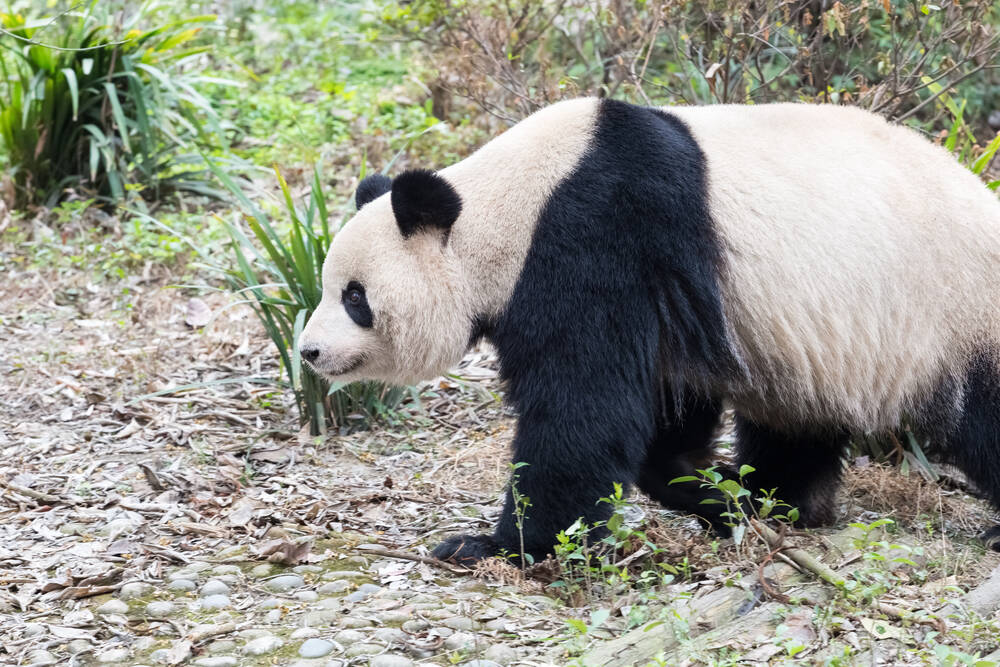
Giant Panda: A Global Symbol of Recovery
Conservation type: Species recovery
Link: https://www.worldwildlife.org/species/giant-panda
Date began: 1980s
Location: Sichuan, Shaanxi and Gansu, China
Key methods: Habitat protection, captive breeding, reintroduction
Current status: No longer listed as ‘endangered’ globally with a wild population estimated around 1,800, not finished but actively maintained, and threats reduced but not gone.
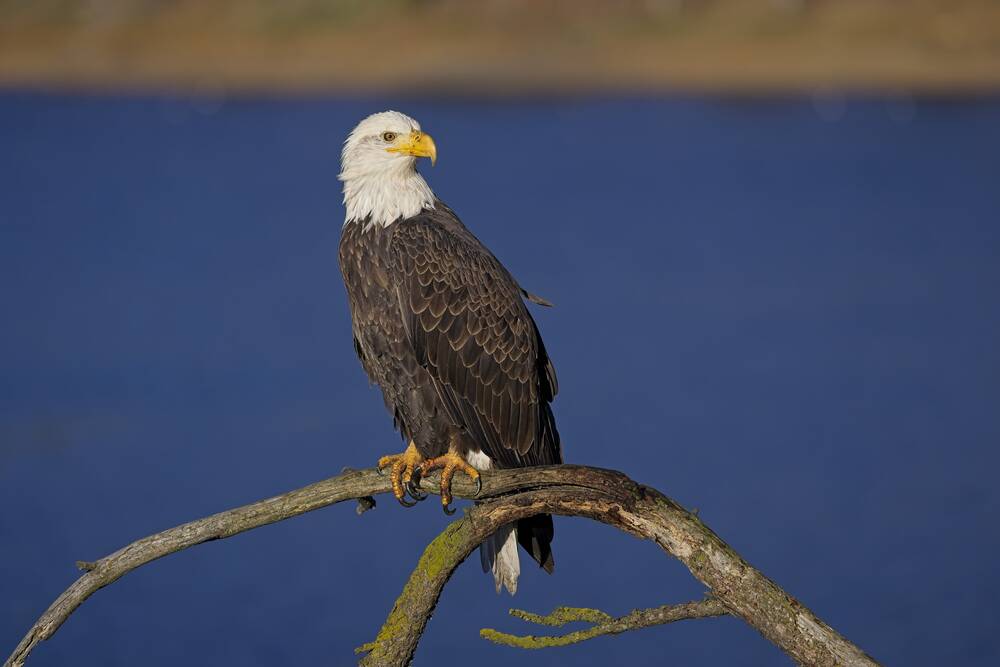
Bald Eagle: From Endangered to Thriving
Conservation type: Legal protection and habitat recovery
Link: https://www.fws.gov/species/bald-eagle-haliaeetus-leucocephalus
Date began: 1970s
Location: United States
Key methods: Banning DDT, legal protection under the Endangered Species Act, nest protection, habitat restoration
Current status: The conservation is a major success with strong populations thanks to the ban of eggshell-thinning pesticide DDT in the 70s.
Amur Leopard: Fighting Extinction
Conservation type: Reintroduction and protection-driven recovery
Link: https://www.worldwildlife.org/species/amur-leopard/
Date began: 2001
Location: Russian Far East & Northeast China
Key methods: Anti-poaching patrols, habitat protection, captive breeding and release
Current status: Still critically endangered, but numbers have risen thanks to their efforts. It will take efforts to boost their population out of extinction, requiring constant protection.
Black Rhino: A Conservation Triumph
Conservation type: Legal protection and anti-poaching recovery
Link: https://www.wwf.org.za/our_work/initiatives/black_rhino_expansion/
Date began: 2003
Location: South Africa
Key methods: Translocations, anti-poaching units, protected reserves
Current status: Still endangered but numbers slowly rising, with the threat of poaching still an issue. Wild birds are now flying again across parts of California, Arizona and Baja after once being on the brink of disappearing.
California Condor: Soaring Back from the Brink
Conservation type: Captive breeding and reintroduction
Link: https://www.fws.gov/program/california-condor-recovery
Date began: 1982
Location: California, Arizona, Utah and Baja California
Key methods: Captive breeding, reintroduction, lead ammunition bans, intensive monitoring
Current status: The Condor eagle went from the edge of extinction to an actively surviving wild population, still critically endangered but risen from just a few dozen to hundreds flying free today.
Arabian Oryx: Reintroduction Success
Conservation type: Captive breeding and reintroduction
Date began: 1982 (first major reintroductions in Oman)
Location: Oman, UAE, Saudi Arabia, Jordan and Israel
Key methods: Captive breeding, protected reserves, multi-country reintroductions, long-term monitoring
Current status: After being previously considered Extinct, the Oryx has climbed its way up 2 categories to Vulnerable with reintroduced herds surviving in the wild.
Sea Otter: Restoring Ocean Ecosystems
Conservation type: Habitat-led recovery & reintroduction
Link: https://www.usgs.gov/publications/synopsis-history-sea-otter-conservation-united-states
Date began: 1969 (major translocations began)
Location: North Pacific coast (Alaska, California, British Columbia)
Key methods: Translocations, habitat protection, restoration of kelp forests, oil-spill protection
Current status: Populations have rebounded solidly in some areas, helping restore kelp forests; however threats of oil spills, disease and more remain.
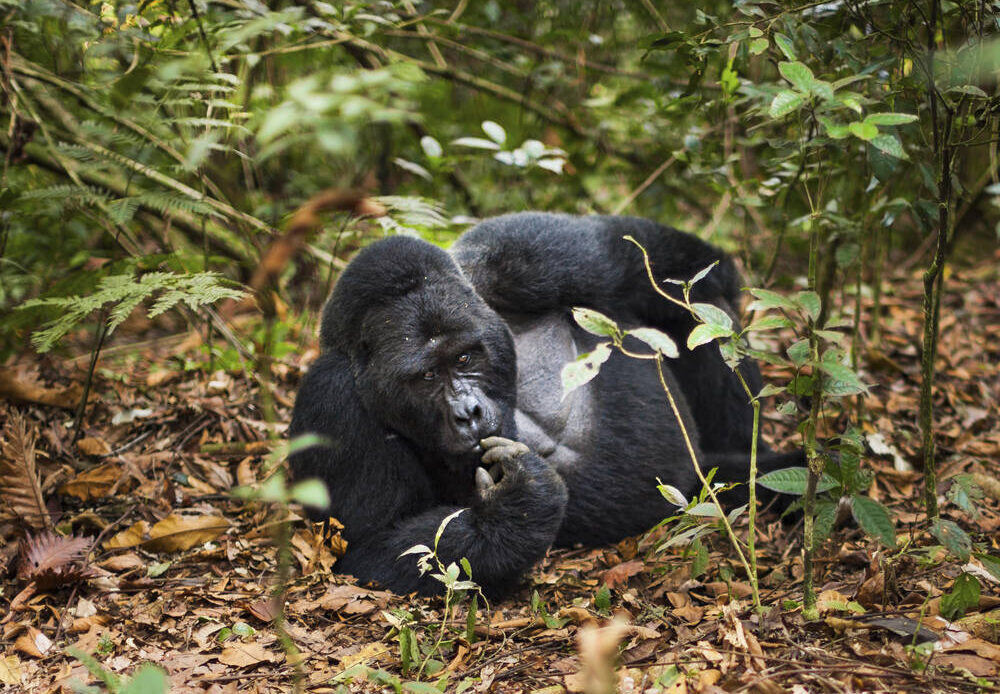
Mountain Gorilla: Community-Led Conservation
Conservation type: Community-led protection and habitat recovery
Link: https://www.awf.org/wildlife-conservation/mountain-gorilla
Date began: 1970s
Location: Rwanda, Uganda and the Democratic Republic of Congo
Key methods: Community ranger programmes, revenue-sharing tourism, anti-poaching patrols, habitat protection
Current status: With a global population slowly increasing, they remain vulnerable but their predominant threats have been largely reduced.
Humpback Whale: Protection Through Legislation
Conservation type: Legal protection and threat removal
Link: https://www.fisheries.noaa.gov/species/humpback-whale
Date began: 1985 (global commercial whaling moratorium under the International Whaling Commission) fisheries.noaa.gov+1
Location: Global oceans
Key methods: Whaling ban, habitat protection, fishing-gear entanglement reduction, vessel-strike regulation, long-term monitoring fisheries.noaa.gov+1
Current status: Following whaling bans, populations are recovering well, however leftover threats of ship strikes and entanglement require more efforts.
Green Sea Turtle: Nesting Recovery Efforts
Conservation type: Nesting site protection and threat reduction
Link: https://www.fisheries.noaa.gov/species/green-turtle
Date began: 1978 (U.S. Endangered Species Act protections)
Location: Tropical and subtropical coastlines worldwide
Key methods: Beach protection, anti-poaching, light reduction, fisheries regulation, nest monitoring
Current status: Many nesting beaches are now seeing rising numbers after years of decline.
European Bison: From Near Extinction to Rewilding
Conservation type: Rewilding and captive breeding
Link: https://rewildingeurope.com/european-bison/
Date began: 1950s (breeding and reintroduction programmes established)
Location: Poland, Romania, Germany and other parts of Europe
Key methods: Captive breeding, reintroduction, habitat restoration, protected reserves
Current status: Once down to a handful, they now live in multiple free-roaming herds across Europe, making it one of the continent’s strongest rewilding success stories.
Leatherback Turtle: Global Conservation Initiatives
Conservation type: Threat reduction and nesting site protection
Link: https://www.worldwildlife.org/species/leatherback-turtle
Date began: 1980s (major international protection efforts expanded)
Location: Global tropical and subtropical oceans
Key methods: Beach protection, bycatch reduction, international fishing regulations, nest monitoring
Current status: While still vulnerable, beach protections and fishing gear rules have hugely helped nesting.
Red Panda: Habitat Protection Success
Conservation type: Habitat protection and community-led conservation
Link: https://redpandanetwork.org/
Date began: 1990s (major community forest protection efforts expanded)
Location: Nepal, India, Bhutan and Myanmar
Key methods: Community forest patrols, habitat restoration, anti-poaching, corridor protection
Current status: The range of methods used has helped stabilise populations, reduced poaching pressure, making the efforts successful despite cthe urrent status remaining endangered.
Whooping Crane: Bringing Birds Back to the Skies
Conservation type: Captive breeding and reintroduction
Link: https://www.fws.gov/species/whooping-crane-grus-americana
Date began: 1960s (intensive captive breeding and recovery efforts launched)
Location: United States and Canada
Key methods: Captive breeding, migration training with ultralight aircraft, habitat protection and strict legal protection
Current status: Still endangered but no longer on the brink, reintroduced birds are forming stable, migrating populations thanks to the protection efforts.
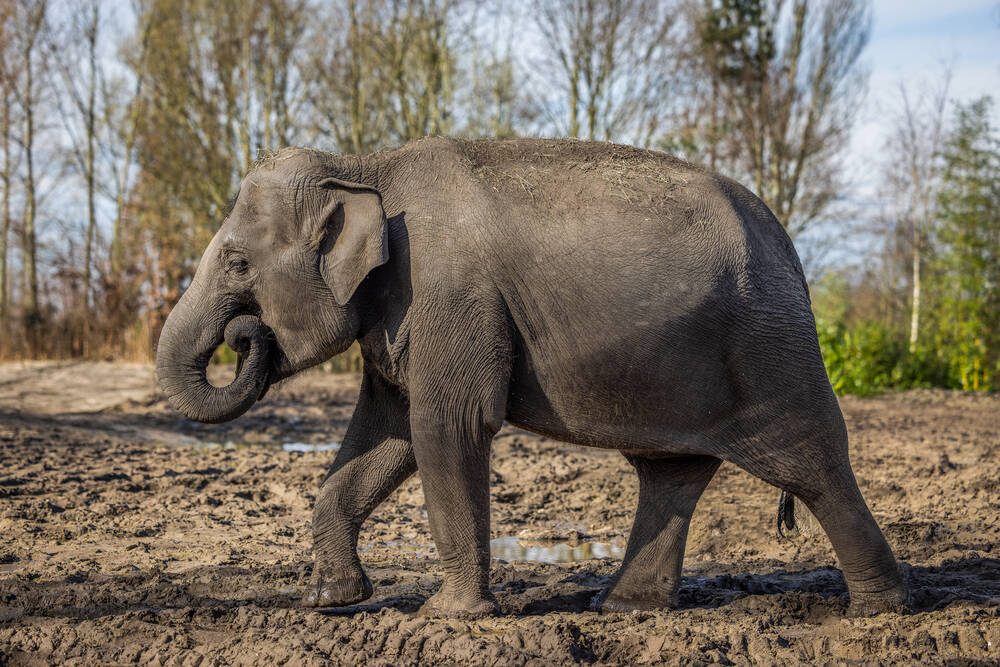
Asian Elephant: Conservation Through Community Engagement
Conservation type: Community-based protection and conflict reduction
Link: https://www.worldwildlife.org/species/asian-elephant
Date began: 1990s (major community conflict-mitigation programmes expanded)
Location: India, Sri Lanka, Nepal, Thailand and Southeast Asia
Key methods: Human–elephant conflict prevention, habitat protection, community patrols, corridor creation
Current status: Still endangered but outcomes are slowly improving in some areas.
Lessons Learned From Successful Conservation
A project can still be successful while the species’ current status is still critically endangered; recovery takes decades, not years.
This is because the protection only works when threats are removed, and restored numbers have a true chance of staying and rising.
Our examples highlight the importance of the animals’ habitats themselves, where the animals are able to truly flourish within systems of breeding, hiding, migrating, and raising young that they are familiar with.
A prominent lesson is the fact that from even 15 prime examples of successful conservation, the majority remain endangered. The toll that human activity has taken on global biodiversity is abhorrent, and no small efforts would come close to undoing this.
With time, energy, change, and resources, we should see numbers and statuses continue to improve over the following decades.
More Information
https://www.gov.uk/government/publications/25-year-environment-plan
https://www.unep.org/explore-topics/biodiversity
https://www.iucnredlist.org/
FAQs
Why is habitat quality essential for wildlife recovery?
Habitat quality and security is crucial as animals can’t survive in damaged or fragmented habitats. Improving habitats can be even more successful than dedicated breeding programmes.
Who actually carries out conservation work?
It’s conducted by ecologists, conservation groups, government bodies, researchers, local communities, landowners, and more.
What’s the biggest lesson from conservation success stories?
A project can still be successful while the species’ current status is still critically endangered; recovery takes decades, not years.
How does biodiversity loss affect ecosystems?
Biodiversity operates like a matrix of spiderwebs intertwined. One species lost triggers a ripple effect through food chains such as stopping plants from reproducing, destroying habitats, or overpopulating prey that then overeats vegetation.