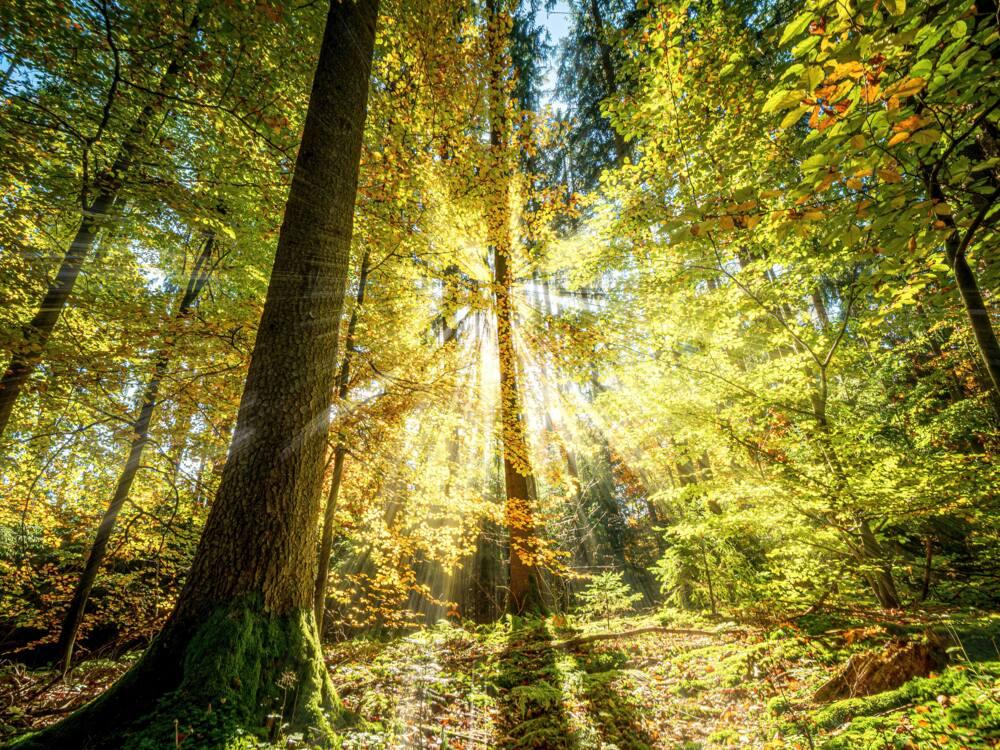
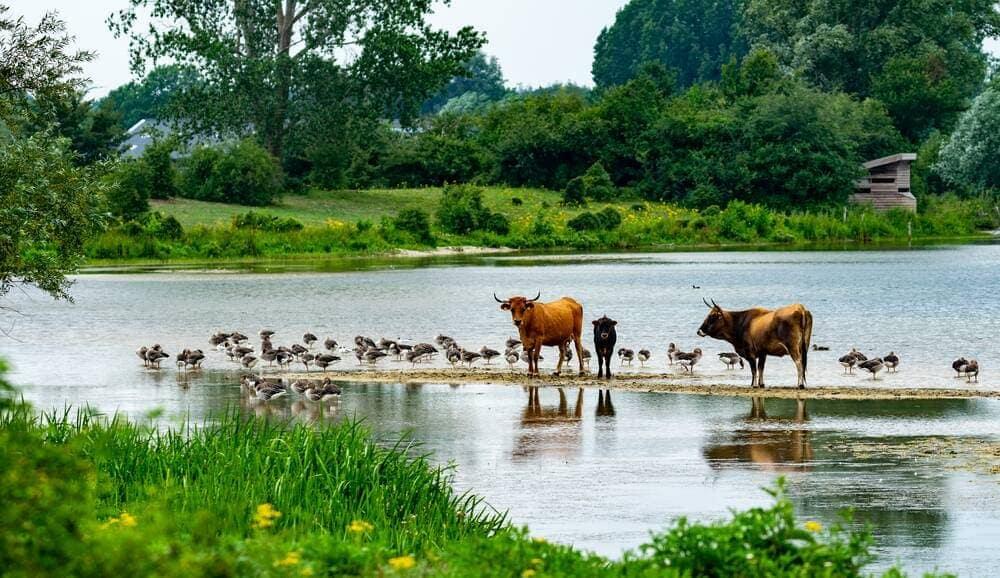
Biological diversity is the foundation of life on Earth, encompassing genes, species, ecosystems, and their essential functions.
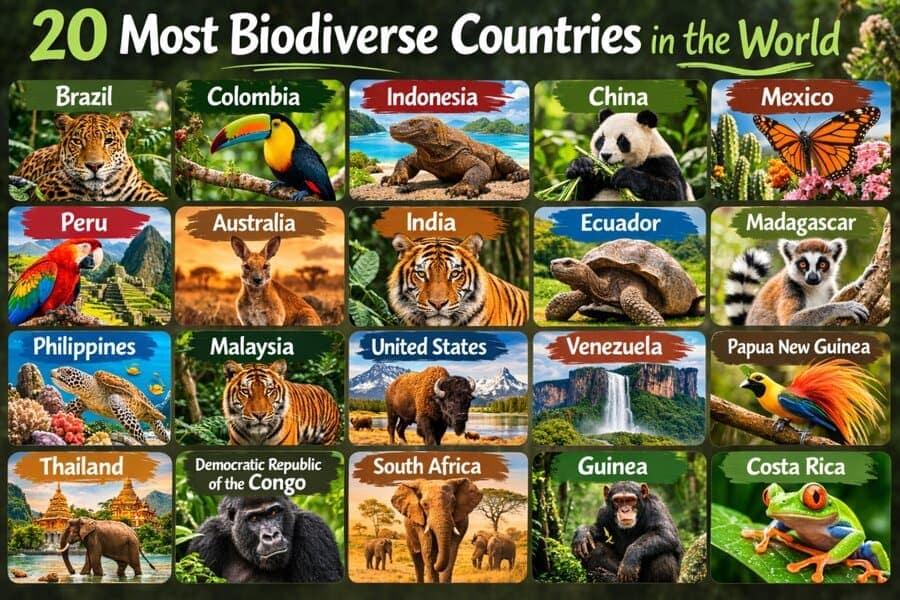
Amongst the planet's most biodiverse nations are extraordinary species of birds, amphibian species, reptile species and more vital for ecological balance. However, threats like deforestation, pollution, and climate change challenge these nations' unique environments, demanding urgent global action.
Supported by initiatives from organisations like the United Nations, efforts to conserve biodiversity aim to protect irreplaceable species and habitats. This article highlights 20 of the world's most megadiverse countries and their invaluable contributions to our planet's future.
What Does Biodiversity in a Country Mean?
Biodiversity encompasses the wide variety of life forms on Earth, including genes, species, ecosystems, and the essential functions they support.
While there are an estimated 8.75 million species on Earth, experts suggest that 5 million of them remain undiscovered. It's believed that around 86% of land species are unidentified, and 90% of marine life.
With a rate of discovery around 18,000 a year, it could take about 277 years to fully comprehend the wonders of Earth's ecological biodiversity. However, that also means up to 1.5 million new species could be discovered within an average human's lifetime.
From Madagascar or the Eastern Himalayas to the Mesoamerican Forests and Sundaland, this article will provide insights into the ecological contexts, unique habitats, and species diversity of each megabiodiverse country.
How Biodiversity is Measured
Biodiversity is assessed across four categories (IPBES, 2019):
- Functional diversity: the variety of ecological functions performed, such as decomposition, pollination, or photosynthesis.
- Genetic diversity: variation in gene combinations, alleles, and DNA sequences within a population or species.
- Species diversity: the total variety of species present on Earth or within a defined ecosystem.
- Ecosystem diversity: the range and complexity of distinct habitat types across a region or the planet.
How We Ranked These Countries
RRankings of this kind are never straightforward. Biodiversity can be measured in multiple ways and different methodologies produce different results. Our ranking combines four criteria:
- Total known species count, covering vascular plants, vertebrates, and invertebrates where data is available
- Endemism rate: the proportion of species that exist exclusively within that country's borders
- Ecosystem diversity: the range and complexity of distinct habitat types present
- Megadiverse status, as defined by Conservation International, which requires a minimum of 5,000 endemic vascular plant species and a marine ecosystem
Conservation International formally recognises 17 megadiverse countries. This list extends to 20 by incorporating countries that rank highly by species richness and endemism even where they fall just short of the CI threshold. Species count data is drawn from Mongabay's World Rainforests database, IUCN Red List records, and national biodiversity reports. All figures are approximate; taxonomy is an evolving field and counts change as new species are discovered and reclassified.
Quick Comparison
The table below provides a snapshot of each country's known species count, endemism rate, and primary biomes. Use it as a reference guide alongside the detailed profiles further down.
| Rank | Country | Known Species (approx.) | Endemic Species % | Primary Biomes |
|---|---|---|---|---|
| 1 | Brazil | ~116,000+ | ~34% | Amazon, Cerrado, Atlantic Forest, Pantanal |
| 2 | Colombia | ~54,000+ | ~16% | Andes, Amazon, Choco Rainforest, Caribbean Coast |
| 3 | Indonesia | ~36,000+ | ~36% | Coral Triangle, Borneo, Sulawesi, Papua |
| 4 | China | ~34,000+ | ~12% | SW Montane, Tropical Rainforest, Grasslands, Tundra |
| 5 | Mexico | ~64,000+ | ~52% | Mesoamerican Forest, Chihuahuan Desert, Gulf of California |
| 6 | Peru | ~47,000+ | ~30% | Amazon Basin, Andean Cloud Forest, Paramo |
| 7 | Australia | ~24,000+ plants | 87% mammals | Reef, Eucalyptus Woodland, Tropical Forest, Desert |
| 8 | India | ~47,000+ | ~33% | Himalayas, Western Ghats, Indo-Burma, Sundaland |
| 9 | Ecuador | ~19,000+ | ~20% | Andes-Amazon, Galapagos, Choco-Darien |
| 10 | United States | ~200,000+ | ~25% | Everglades, Yellowstone, Pacific Northwest, Tundra |
| 11 | Madagascar | ~12,000+ | ~90% | Tropical Rainforest, Dry Deciduous Forest, Spiny Forest |
| 12 | DR Congo | ~10,000+ | ~30% | Congo Basin Rainforest, Virunga Montane, Savanna |
| 13 | Philippines | ~52,000+ | ~67% | Coral Triangle, Palawan Forest, Luzon Rainforest |
| 14 | Malaysia | ~20,000+ | ~27% | Dipterocarp Rainforest, Mangroves, Coral Reef |
| 15 | Papua New Guinea | ~20,000+ | ~50% | Tropical Rainforest, Coral Reef, Alpine Grassland |
| 16 | Venezuela | ~21,000+ | ~23% | Amazon, Tepui Highlands, Llanos, Andes |
| 17 | South Africa | ~20,000+ | ~56% | Fynbos, Savanna, Succulent Karoo, Coastal Marine |
| 18 | Costa Rica | ~91,000+ | ~20% | Cloud Forest, Tropical Dry Forest, Mangroves, Reef |
| 19 | Thailand | ~10,000+ | ~10% | Mangroves, Coral Reef, Montane Forest, Mekong Basin |
| 20 | Guinea | ~3,000+ | ~15% | Guinean Forest, Swamp Forest, Savanna |
Sources: Conservation International Megadiverse Countries list; Mongabay World Rainforests species database; IUCN Red List of Threatened Species; national biodiversity strategy reports.
1. Brazil
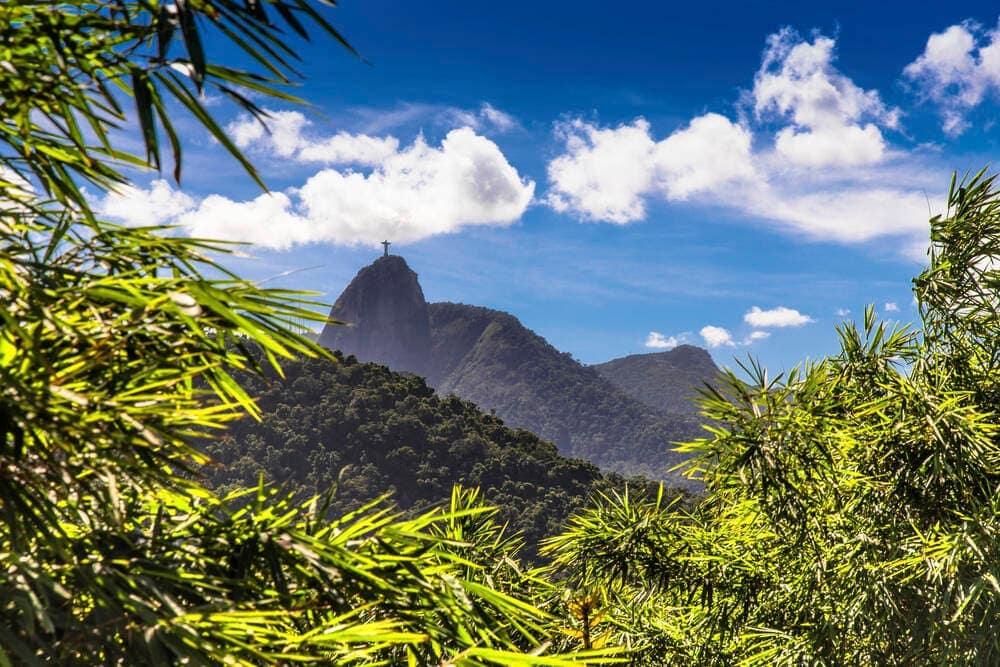
Brazil is the most biodiverse country on Earth, home to roughly one-tenth of all species on the planet.
Its ecosystems include the Atlantic Forest, Pantanal, Caatinga, marine environments, the Cerrado, and approximately 60% of the Amazon Rainforest. Together these form one of the most ecologically complex nations on Earth.
The Cerrado is the most biodiverse savannah on the planet, also extending into Bolivia and Paraguay. With over 12,000 plant species, 251 mammal species, 800 fish, and 856 bird species, it is essential to global biodiversity. The Cerrado is also the sole habitat of the Spix's macaw, the giant armadillo, and the maned wolf. Critically, it functions as the headwaters of three of South America's largest river systems, making it a freshwater tower for the continent.
The Pantanal is the world's largest tropical wetland, covering up to 195,000 square kilometres, and shelters one of the densest concentrations of wildlife in South America, including giant otters, capybaras, and jabiru storks. The Atlantic Forest, though reduced to less than 12% of its original cover, remains a global hotspot with over 20,000 plant species and some 950 bird species. Brazil's ongoing deforestation challenge in the Amazon makes conservation here one of the most critical issues in global biodiversity.
2. Colombia
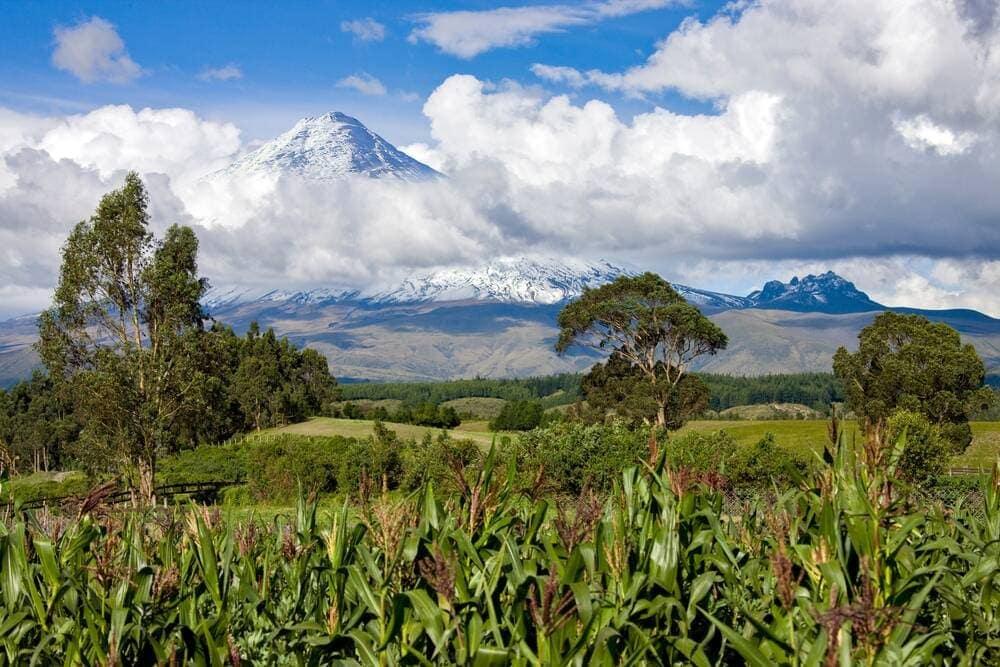
Colombia records more bird species than any other country on Earth and ranks second globally for total biodiversity.
Its ecosystems range across the Andes Mountains, Caribbean and Pacific coasts, the Orinoco River Basin, and the Amazon Rainforest, which covers around 35% of Colombia's land. This geographic variety, from high paramo grasslands above 3,000 metres to lowland tropical forest, produces exceptional species richness across every taxon.
Colombia holds over 50,000 plant species, including more than 4,000 orchid species, the highest orchid diversity of any country. According to the Humboldt Institute, 1,920 bird species have been recorded here, alongside 528 mammal species and 1,521 fish species. The national flower, the Cattleya trianae orchid, is endemic to Colombia.
The Colombian Choco Rainforest is one of the wettest regions on Earth, receiving up to 14 metres of annual rainfall in some areas. This constant moisture sustains thriving ecosystems for the Choco toucan, the bare-faced tamarin, and hundreds of amphibian species, many of them found nowhere else.
3. Indonesia
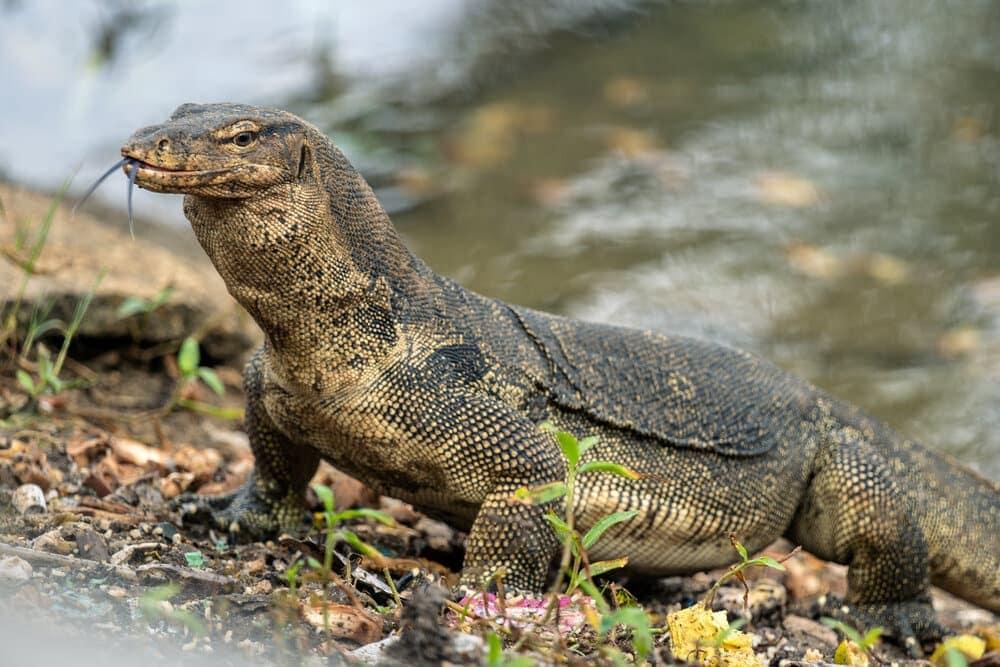
Indonesia is home to more than 17,000 islands and ranks among the top three most biodiverse countries in the world. Its archipelago spans nearly 5,000 kilometres, from tiny Simping Island at around 2,000 square metres to Borneo at roughly 290,000 square miles.
Geographic isolation across these islands has driven unique evolutionary paths over millions of years. The most famous example is the Komodo dragon, found only on a handful of Indonesian islands, which evolved to become the largest living reptile in the absence of natural predators. Borneo shelters orangutans, pygmy elephants, and proboscis monkeys, while Sumatra is one of the only places on Earth where tigers, rhinoceroses, elephants, and orangutans share the same forest.
The Wallace Line, an invisible biogeographic boundary running between Borneo and Sulawesi, divides Asian and Australasian fauna, creating a unique transition zone of overlapping species found nowhere else on Earth.
Indonesia is also home to the Coral Triangle, widely described as the Amazon of the seas, containing 76% of the world's coral species and more reef fish than any other marine region. It extends across parts of Southeast Asia and is the nursery ground for species that sustain fisheries across the Pacific.
4. China
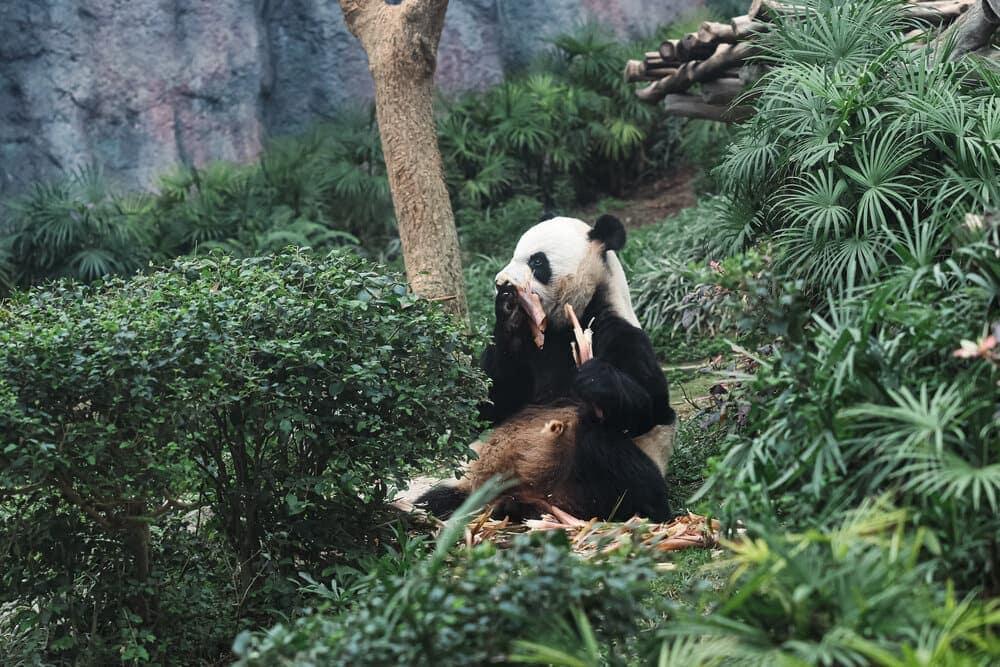
China is the third largest country in the world by area and supports over 12 distinct ecosystem types, spanning deserts, tropical rainforests, grasslands, subtropical forests, freshwater ecosystems, and tundra.
The Mountains of Southwest China, spanning parts of Yunnan, Myanmar, western Sichuan, and southeastern Tibet, are one of the world's most important biodiversity hotspots. Habitats range from towering alpine peaks to lush river valleys, encompassing alpine meadows, temperate forests, and subtropical forest. Notable species include the giant panda, snow leopard, and the rare Gaoligong pika.
China's rivers and freshwater systems are equally significant. The Yangtze River is home to the Yangtze finless porpoise, one of the world's most endangered cetaceans, while the Mekong headwaters in Yunnan support hundreds of freshwater fish species. China holds over 34,000 known species, approximately 12% of which are endemic, making it one of the few countries to span multiple global biodiversity hotspots.
5. Mexico
Mexico is one of the most species-rich countries on Earth, holding over 200,000 known species within just 1% of the planet's land surface.
From Panama to central Mexico, the Mesoamerican Biodiversity Hotspot spans eight countries and a range of islands. A significant portion of southern Mexico falls within this hotspot, including tropical lowlands and montane cloud forests that act as a land bridge between North and South American species. Over 225 bird species use this corridor as a migratory route.
Mexico holds 17,000 vascular plant species, of which over 3,000 are endemic. The Chihuahuan Desert is the most biologically rich desert in the Western Hemisphere, while the Gulf of California, described by Jacques Cousteau as the "aquarium of the world," supports whale sharks, sea lions, blue whales, and hundreds of fish species.
Mexico's biodiversity is also deeply intertwined with its indigenous communities, who have cultivated and protected native species for thousands of years. These territories contain vast carbon-rich landscapes vital for climate regulation.
6. Peru
Around 60% of Peru is covered by the Amazon, making it one of the most biologically diverse stretches of the Amazon basin on Earth.
This vast forest shelters pink river dolphins, jaguars, macaws, tapirs, and giant anteaters. The Andes Mountains above add a further dimension of biodiversity, with cloud forests and paramos, high-altitude ecosystems with the world's richest high-mountain flora, including Frailejones and peat mosses found nowhere else.
Manu National Park, a UNESCO World Heritage Site, is among the most species-dense protected areas on Earth. Within its boundaries live harpy eagles, cock-of-the-rock, capybaras, poison dart frogs, and more than 1,000 bird species, roughly 10% of all bird species on the planet in a single park.
Peru is also home to Lake Titicaca, the world's highest navigable lake, rich in endemic fish species and important to the cultural heritage of the Aymara and Quechua peoples. The Sacred Valley and Machu Picchu sit within cloud forest ecosystems that shelter the spectacled bear and the Andean condor.
7. Australia
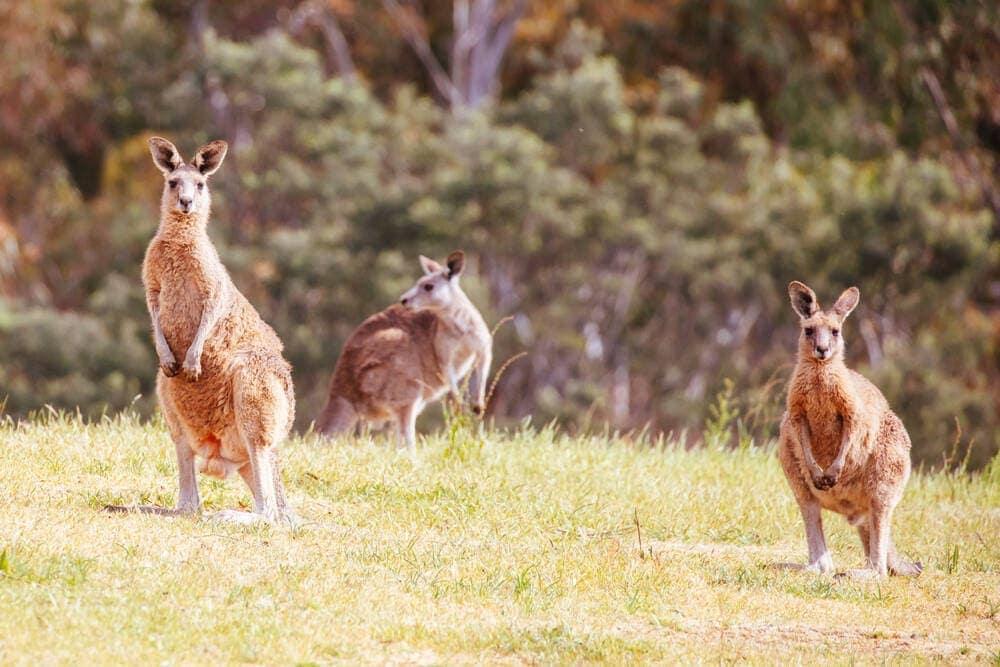
Australia has the highest rate of mammal endemism of any country on Earth, with around 87% of its mammals, 93% of its reptiles, and 45% of its birds found nowhere else.
This extraordinary isolation is the result of Australia's separation from Gondwana over 80 million years ago, allowing its marsupials and monotremes to evolve in complete independence. Species like the platypus, koala, kangaroo, and Tasmanian devil have no close relatives anywhere in the world.
Australia supports over 24,000 plant species and the Great Barrier Reef, the world's largest coral reef system at over 2,300 kilometres in length, home to more than 1,500 fish species, 4,000 mollusc species, and 600 types of coral.
Southwest Australia is one of the world's oldest biodiversity hotspots, covering over 356,700 square kilometres with a Mediterranean-style climate. Like the lush forests of Eastern Australia, it harbours eucalyptus woodlands and kwongan heathlands, stretching from the Esperance Plains to Shark Bay.
The region is home to numerous endemic species, including the remarkable salamanderfish, which can survive for months in dried-out riverbeds by burrowing into mud.
8. India
India is home to four globally recognised biodiversity hotspots: the Himalayas, Indo-Burma, Sundaland, and the Western Ghats. Each is teeming with unique ecosystems and endemic species.
Iconic species include the Bengal tiger, of which India holds over 70% of the global wild population, along with the Asian elephant and Indian rhinoceros. India's biodiversity is also shaped by millennia of traditional conservation practices.
Sacred groves, known as Dev vans or Devarakadus, are patches of forest preserved by local communities for religious reasons, often for hundreds of years.
The Khasi Sacred Groves in Meghalaya are among the most studied, sheltering orchids, fungi, and rare medicinal herbs. These micro-ecosystems act as refugia, preserving species that have vanished from surrounding agricultural land.
9. Ecuador
Ecuador is one of the most biodiverse countries on Earth relative to its land area, part of the Tumbes-Choco-Magdalena hotspot along the Pacific coast and home to the Galapagos Islands.
The hotspot extends along dry forests, coasts, mangroves, and the Choco-Darien rainforests. Distinctive wildlife in this region includes spider monkeys, bare-faced tamarins, and endemic rice rats. Ecuador's portion of the Andes-Amazon transition zone is among the most species-rich on the continent, compressed into one of the smaller South American nations.
Ecuador's mangrove ecosystems are especially notable and especially endangered. Only a fraction of their original extent survives, threatened by shrimp farming and coastal development. Mangroves serve as nursery grounds for marine species, protect coastlines from erosion, and sequester carbon at rates that exceed most terrestrial forests.
The Galapagos Islands are among the most scientifically significant places on Earth. Giant tortoises, marine iguanas, flightless cormorants, and Darwin's finches evolved in isolation over millions of years and were instrumental in shaping Charles Darwin's theory of natural selection. The islands remain a living laboratory for evolutionary biology.
10. United States
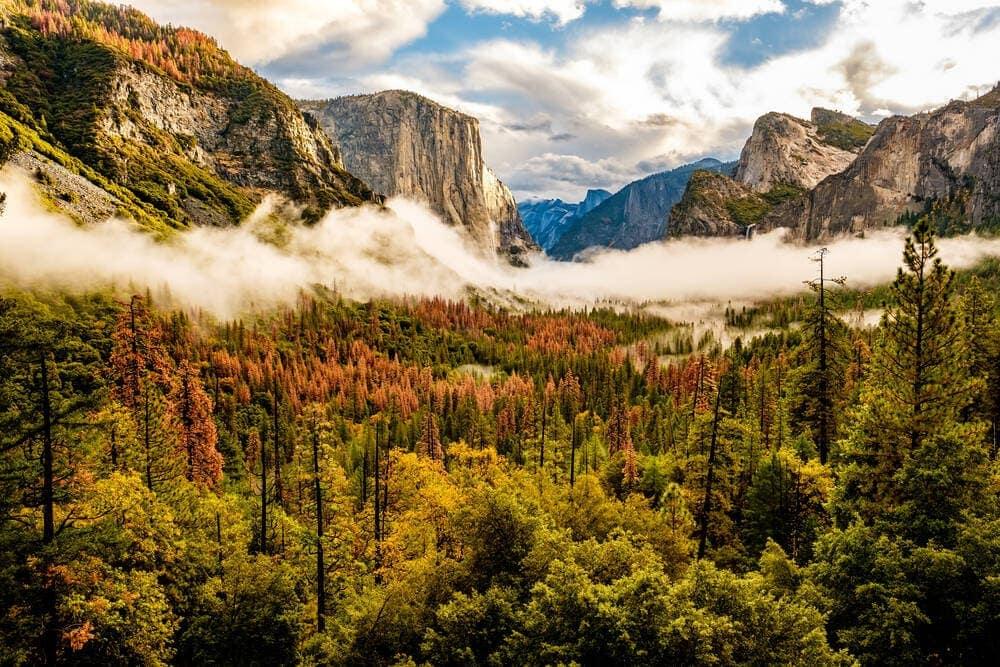
The United States is one of the most biologically diverse countries in the world, supporting an estimated 200,000+ native species across virtually every climate zone on Earth. Its sheer size is the starting point: the UK fits into the US around 40 to 45 times.
The Florida Everglades is the only place on Earth where American crocodiles and American alligators coexist, alongside manatees, Florida panthers, and more than 360 bird species. Yellowstone sits atop one of the world's largest active volcanic systems and sustains wolves, grizzly bears, bison, and the most diverse megafauna assemblage in the lower 48 states.
The Great Smoky Mountains contain more tree species than all of northern Europe combined. The Pacific Northwest's old-growth forests shelter the northern spotted owl and support salmon runs that in turn feed everything from orcas to bears. The Sonoran Desert, shared with Mexico, is the world's most biologically diverse desert.
The US accounts for roughly 13% of the world's species and its national parks system, spanning over 84 million acres, protects critical habitat across the full range of these ecosystems.
11. Madagascar

Madagascar is frequently called the eighth continent due to its sheer diversity of flora and fauna.
Located off the southeast coast of Africa in the Indian Ocean, Madagascar has been separated from the mainland for around 88 million years. That isolation produced one of the most remarkable concentrations of endemic life on Earth. Around 90% of its wildlife is found nowhere else, including all of its roughly 100 lemur species, from the tiny mouse lemur to the indri.
Its ecosystems span tropical rainforests, mangroves, dry deciduous forests, and the extraordinary spiny forests of the south, dominated by Didiera trees and succulent plants adapted to near-desert conditions. The fossa, Madagascar's largest native predator and closest relative to the mongoose, is found here and nowhere else on Earth.
Of the world's eight baobab species, six are endemic to Madagascar. These ancient trees, some living for over a thousand years, provide shelter and food for bats, birds, and insects across the island's dry forests. Deforestation remains the island's most acute biodiversity threat, with over 90% of its original forest cover now gone.
12. Democratic Republic of Congo
The Democratic Republic of Congo is often called the Heart of Africa, and it contains over 60% of the Congo Basin Rainforest, the second largest tropical forest system on Earth.
The DRC's ecosystems span dense rainforests, savannas, swamp forests, and the montane habitats of the Virunga Mountains. This variety supports some of the most iconic and endangered megafauna in the world.
The bonobo, humanity's closest living relative alongside the chimpanzee, exists only in the DRC, south of the Congo River. The okapi, a forest-dwelling relative of the giraffe, was unknown to Western science until 1901 and remains confined to the Ituri Forest. The forest elephant, gorillas, and chimpanzees complete a primate and megafauna diversity found nowhere else on the continent.
The Virunga Mountains shelter the majority of the world's remaining mountain gorillas, a population of fewer than 1,100 individuals. The Congo River itself is the world's deepest river and home to over 700 freshwater fish species, approximately 80% of which are endemic.
13. Philippines
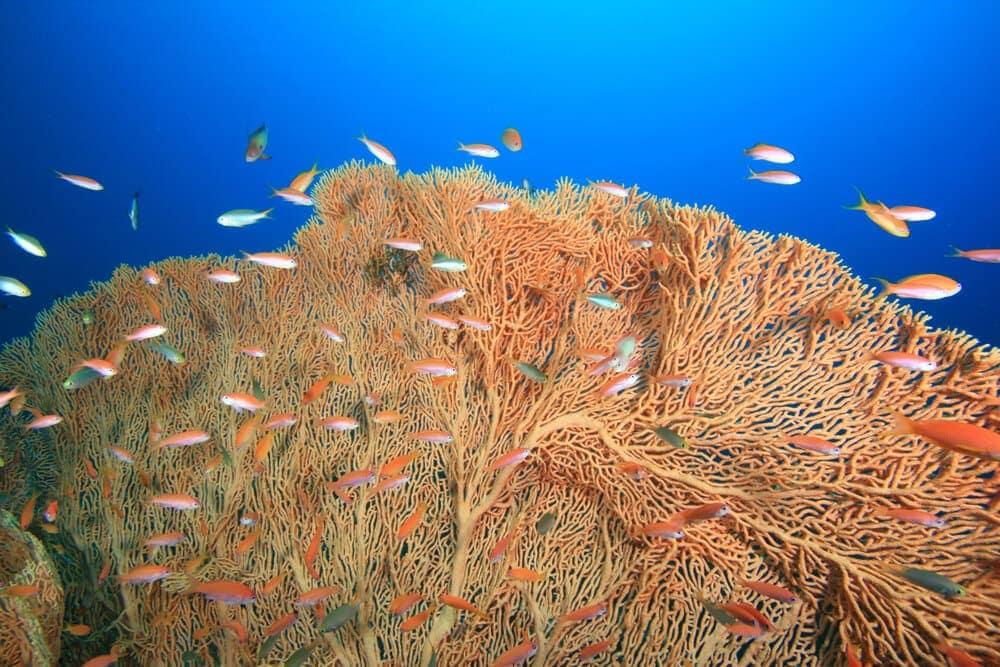
The Philippines is an archipelago of over 7,000 islands and one of the world's highest-ranking biodiversity hotspots. Each major island group has evolved its own distinct fauna.
Palawan, often called the Philippines' last ecological frontier, shelters the Palawan pangolin, Palawan bearcat, and one of the most intact rainforest systems in Southeast Asia. Mindanao's highland forests are home to the Philippine eagle, one of the world's largest and most powerful birds of prey, with a wingspan of up to 2.2 metres. Luzon harbours more endemic mammals per square kilometre than any other island on Earth.
Philippine waters are part of the Coral Triangle, with over 500 coral species and 1,600 fish species, among the highest marine biodiversity densities in the world.
A striking example of Philippine natural heritage is the Chocolate Hills in Bohol, a group of over 1,200 to 1,700 conical hills ranging from 30 to 120 metres high. During the dry season they turn brown simultaneously, resembling rows of chocolate mounds. Each hill is similar in form despite the landscape stretching across more than 50 square kilometres.
14. Malaysia
Malaysia contains some of the oldest rainforests on Earth, including Taman Negara, estimated to be over 130 million years old, predating the Amazon.
These ancient forests shelter Malayan tigers, of which fewer than 150 remain in the wild according to the IUCN Red List, alongside tapirs and sun bears. High levels of both terrestrial and marine endemism make Malaysia critical for regional biodiversity conservation.
The Langkawi mangroves form one of Southeast Asia's most biodiverse coastal ecosystems, sheltering saltwater crocodiles, sea eagles, and dozens of fish species that use the root systems as nursery grounds. Malaysia's share of the Coral Triangle adds further marine species richness to a country already notable for its terrestrial biodiversity.
Among Malaysia's most striking species is the Rafflesia, the largest flowering plant in the world. Its blooms, the biggest recorded at over 3 feet in diameter and 20 pounds in weight, have no leaves, stems, or roots of their own. The Rafflesia is a parasitic plant that lives entirely within the tissue of a host vine, emerging only to flower in a bloom that lasts just a few days and smells of rotting flesh to attract pollinating flies.
15. Papua New Guinea
Papua New Guinea is one of the least-explored biodiverse countries on Earth, with thousands of species still formally unclassified by science.
Its landscapes encompass tropical rainforests, coral reefs, wetlands, savannas, and rugged mountain ranges rising to over 4,500 metres.
Papua New Guinea is home to around 700 bird species, including 38 of the world's 43 species of birds-of-paradise, the most ornately plumaged birds on Earth, which evolved their extraordinary displays in the absence of natural predators.
Tree kangaroos, which diverged from ground-dwelling ancestors to live in the forest canopy, are found here and in northern Australia.
The Sepik River, one of the longest rivers in the world without a dam at around 1,100 kilometres, runs through the country's north. Along its course lie swamps, tropical rainforests, and floodplains, each supporting unique and rich wildlife. The river system feeds some of the most culturally and ecologically significant wetlands in the Pacific.
Over 70% of Papua New Guinea is still covered by primary rainforest, one of the highest proportions in the world. This intact forest cover gives the country's endemic species, many still undescribed, a far better chance of long-term survival than in many other megadiverse nations.
16. Venezuela
Venezuela sits at the junction of the Amazon Rainforest, the Andes Mountains, the Llanos grasslands, and the Caribbean coast, giving it one of the most varied natural landscapes in South America.
The Llanos, one of the world's great tropical grasslands, flood seasonally to create a vast temporary wetland that attracts capybaras, anacondas, caimans, and the largest populations of scarlet ibis in the Americas. When the floods recede, the grasslands host giant anteaters and pampas deer.
Venezuela's most extraordinary feature may be its tepuis, ancient sandstone tabletop mountains that rise dramatically from the surrounding jungle, their sheer cliffs shrouded in mist and cloud. These formations, some over 1.8 billion years old, have acted as biological islands for so long that they harbour entirely unique ecosystems. Carnivorous plants, endemic amphibians like the pebble toad (which rolls into a ball and bounces down cliffs to escape predators), and bizarre bromeliads grow in conditions found nowhere else on Earth.
Canaima National Park, a UNESCO World Heritage Site, contains Angel Falls, the world's highest uninterrupted waterfall at 979 metres, dropping from the face of Auyantepui into the jungle below.
17. South Africa
South Africa is internationally recognised as one of the most biodiverse countries in the world, with high endemism, diverse ecosystems, and two distinct global biodiversity hotspots within its borders.
The Cape Floristic Region in southwest South Africa is one of the world's six plant kingdoms, spanning around 90,000 square kilometres. It contains approximately 9,600 plant species, nearly 70% of which are endemic. This is a greater concentration of plant diversity than the Amazon by area.
Its defining ecosystem is the fynbos, a shrubland adapted to the Mediterranean climate and to periodic fire. Fynbos plants have evolved to depend on fire for seed germination; without it, the ecosystem degrades. The king protea, South Africa's national flower, thrives in this environment alongside over 7,000 species of flowering plant.
South Africa also contains the Succulent Karoo, a second global biodiversity hotspot home to the world's richest succulent flora, with over 6,000 plant species. The meeting of the cold Benguela current from the Atlantic and the warm Agulhas current from the Indian Ocean off Cape Point creates one of the most productive and diverse marine environments on the planet, attracting southern right whales, great white sharks, and African penguins.
18. Costa Rica
Costa Rica holds around 5% of the world's biodiversity within just 0.03% of Earth's land area. Few countries match that ratio.
Volcanic mountains, tropical dry forests, cloud forests, coral reefs, and mangroves create an exceptionally varied mosaic of habitats. The Monteverde Cloud Forest shelters resplendent quetzals, glass frogs, golden toads (now extinct in the wild), and hundreds of orchid species. Costa Rica records over 900 bird species, more than all of North America north of the Mexican border combined.
Costa Rica has become a global model for conservation policy. It reversed deforestation trends in the 1990s and now has over 25% of its land area under protected status. Its payment for ecosystem services programme compensates landowners for maintaining forest cover, a model adopted by dozens of countries worldwide.
The Arenal Volcano, one of the most active in the region from 1968 to 2010, sits within a national park of tropical rainforest that shelters tapirs, sloths, peccaries, and hundreds of bird species. The surrounding lake, created by a 1970s hydroelectric dam, now serves as a wetland habitat for migratory waterbirds.
19. Thailand

Thailand's position within Southeast Asia gives it access to some of the richest marine and terrestrial ecosystems in the region. Its biodiversity ranges from coral reefs and mangroves at sea level to montane forests above 2,500 metres.
Thailand's forests shelter the Indochinese tiger, Malayan tapir, Asian elephant, Irrawaddy dolphin, and hornbills. The Siamese crocodile, one of the most critically endangered reptiles in the world, survives in small populations within protected Thai river systems. Doi Inthanon, Thailand's highest peak at 2,565 metres, supports bird species found nowhere else in the country and acts as a refuge for montane species displaced by lowland deforestation.
As part of the Coral Triangle, Thailand's reefs host sea turtles, manta rays, and whale sharks. The Andaman Sea supports some of the last healthy dugong populations in Southeast Asia.
The Mekong River, running along Thailand's northeastern border, is home to the Mekong giant catfish, one of the world's largest freshwater fish, and supports a freshwater fish diversity that sustains the livelihoods of tens of millions of people across the region.
20. Guinea
Guinea sits within the Guinean Forests of West Africa, a biodiversity hotspot stretching from Guinea and Sierra Leone to Cameroon and one of Africa's most ecologically rich regions.
Guinea's Fouta Djallon highlands, sometimes called the water tower of West Africa, are the source of the Niger, Senegal, and Gambia rivers, draining across the region and sustaining enormous freshwater biodiversity downstream. These highlands support montane grasslands and gallery forests distinct from the lowland rainforest below.
The dense tropical forests, swamp forests, savannas, and rainforests that cover much of Guinea are home to over 2,250 endemic plant species, alongside unique animals including chimpanzees, pygmy hippos, and forest elephants. Guinea hosts one of the largest and least-studied chimpanzee populations remaining in West Africa.
The forests support over 900 bird species and nearly 400 terrestrial mammal species, making Guinea's share of this forest belt a vital anchor for West Africa's broader biodiversity. The pygmy hippo, found only in West African forests and classified as endangered by the IUCN, depends on the intact forest-stream habitats that still survive here.
Why Biodiversity in These Countries Is Under Threat
The richest biodiversity on Earth concentrates in tropical and subtropical regions, but these are also the areas facing the most acute pressures.
- Habitat loss and deforestation are the leading drivers of species extinction globally, according to the IPBES Global Assessment. Tropical forests are cleared for agriculture, cattle ranching, and infrastructure at rates that outpace natural recovery.
- Climate change is altering which species can survive where. Coral bleaching, shifting rainfall patterns, and melting glaciers are already reshaping ecosystems across every country on this list.
- Overexploitation through hunting, fishing, and the illegal wildlife trade removes species faster than populations can recover.
- Invasive species introduced through global trade outcompete native wildlife. This is particularly damaging for island nations such as Madagascar, the Philippines, and Indonesia, where endemic species evolved without exposure to introduced predators.
- Pollution from plastics, agricultural runoff, and industrial discharge degrades freshwater and marine ecosystems. Chatham House research highlights the vicious cycle: as ecosystems degrade, their capacity to absorb carbon shrinks, accelerating the climate change that threatens them further.
Sources & More Information
activesustainability.com worldrainforests.com
Species counts & biodiversity rankings
- Mongabay top 10 biodiverse countries (species richness index): mongabay.com
- World Rainforests species database (underlying data): worldrainforests.com
- IUCN Red List (species status & endemism data): iucnredlist.org
Megadiversity definition & the 17 countries
- Conservation International megadiverse countries: Conservation International
- WEF overview of the 17 megadiverse countries: World Economic Forum
Threats to biodiversity
- IPBES Global Assessment 2019 (habitat loss as leading driver): ipbes.net
- Chatham House — threats to biodiversity explainer: chathamhouse.org
8.7 million species estimate
- Original Mora et al. study via PLOS Biology: plos.org
Colombia bird count
- Humboldt Institute Colombia biodiversity data: org.co
- Colombia country brand biodiversity overview: colombia.co
Indonesia Coral Triangle
- Coral Triangle Initiative: coraltriangleinitiative.org
Australia Great Barrier Reef
- Great Barrier Reef Marine Park Authority: gbrmpa.gov.au
India Western Ghats
- UNESCO World Heritage listing: UNESCO
Ecuador Galapagos
- UNESCO Galapagos listing: UNESCO
Peru Manu National Park
- UNESCO Manu listing: UNESCO
DRC bonobo
- WWF bonobo species page: WWF
Venezuela Canaima / Angel Falls
- UNESCO Canaima listing: UNESCO
Brazil Amazon deforestation monitoring
- INPE (Brazil's National Institute for Space Research): inpe.br