
Key Takeaways:
- Retrofitting involves improving existing structures instead of demolishing and ripping out old buildings to rebuild new ones.
- This method is a lot more sustainable, saving on raw materials, supporting a circular economy, and leaving a much smaller environmental footprint overall.
- It brings a sea of benefits from energy efficiency and reduced costs to warmer homes and cleaner air, and is a driver of the green transition as we transform outdated systems, structures and materials into low-carbon, innovative and future-ready buildings.
- After the energy crises of the 70s and subsequent spikes in costs, retrofitting emerged into the mainstream as a way to improve your home and buildings’ efficiency.
- Our article explores 21 varied types of retrofitting that you’ll encounter across modern construction projects, from ventilation to flood protection.
Retrofitting involves improving existing structures instead of demolishing and ripping out old buildings to rebuild new ones.
This method is a lot more sustainable, saving on raw materials, supporting a circular economy, and leaving a much smaller environmental footprint overall.
It brings a sea of benefits from energy efficiency and reduced costs to warmer homes and cleaner air, and is a driver of the green transition as we transform outdated systems, structures and materials into low-carbon, innovative and future-ready buildings.
Our article explores 21 varied types of retrofitting that you’ll encounter across modern construction projects, from ventilation to flood protection.
What is Retrofitting?
To retrofit a building is simply to improve it, such as with thicker insulation, more effective heating, optimised electrics, or better safety.
It crucially replaces the act of demolishing and rebuilding, a practice not only wasteful and illogical but incredibly harmful to the environment.
After the energy crises of the 70s and subsequent spikes in costs, retrofitting emerged into the mainstream as a way to improve your home and buildings’ efficiency. Back then this looked like basic insulation or double glazing in the average house, whereas now we’ve shifted towards solar panels, heat pumps, smart controls and more.
It’s used worldwide, especially in the UK and Europe which industrialised early and have many older buildings.
The Benefits of Retrofitting
Retrofitting brings a whole range of benefits, with energy and cost improvements at its core.
It lowers energy bills, improves energy efficiency and lowers demand for heating and cooling. Lower maintenance costs can lead to greater energy ROI, with systems lasting longer.
While saving you money, retrofitting can simply lead to higher comfort, from less damp and mould and better air to warmer homes, and more stable indoor temperatures.
Beyond the individual benefits, retrofitting is a key tool within the transition to a low-carbon economy. It brings less construction waste, smaller environmental footprints, and supports a circular economy model.
With less raw material extraction and less material in landfill, it’s a much cleaner route than ripping out and demolishing.
It’s a sustainable method at the forefront of the green transition.
Types of Retrofitting
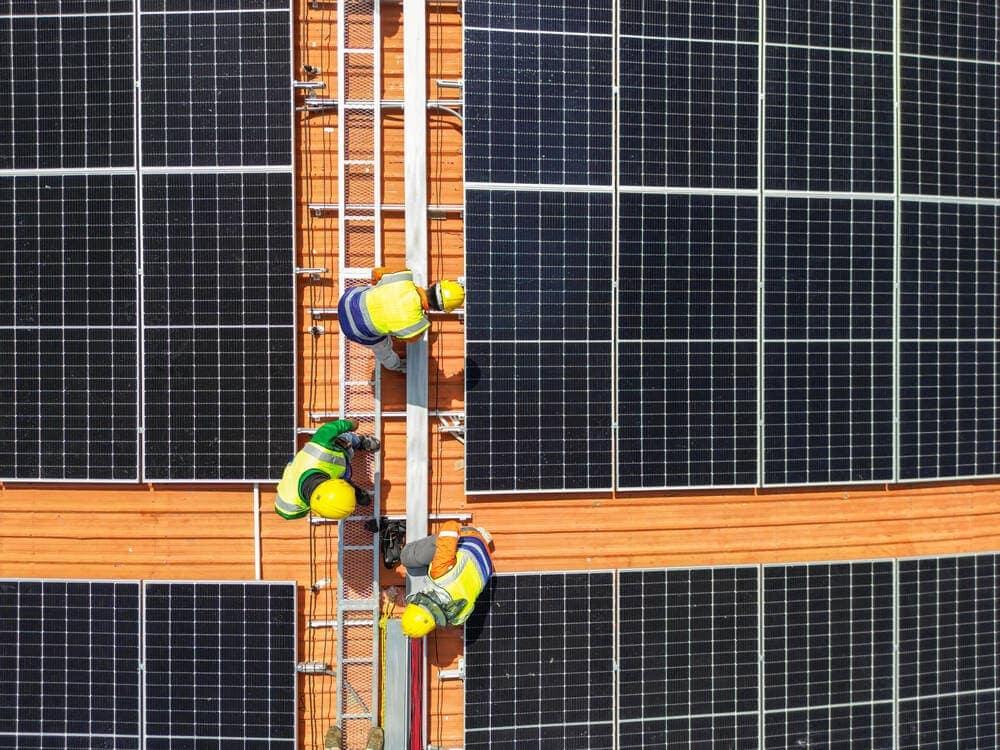
1. Energy Efficiency Retrofitting
What It Is: Upgrading an existing building to reduce overall energy consumption and heat loss
What It Is Used For: Improving energy performance, lowering utility bills, reducing carbon emissions
How It Works: Installing efficiency measures across heating, insulation, lighting, and building systems
Common Retrofitting Techniques: Insulation upgrades, efficient heating systems, LED lighting, airtightness improvements
Benefits of This Retrofitting Type: Lower energy use, reduced running costs, improved comfort, lower emissions
Typical Materials or Systems Used: Insulation materials, high efficiency boilers, heat pumps, LED lighting, smart controls
2. Insulation Retrofitting
What It Is: Adding or upgrading insulation in an existing building to reduce heat loss
What It Is Used For: Improving energy efficiency, lowering heating demand
How It Works: Installing insulating materials in walls, roofs, floors, or cavities
Common Retrofitting Techniques: Cavity wall insulation, loft insulation, internal wall insulation, external wall insulation
Benefits of This Retrofitting Type: Reduced energy bills, better thermal comfort, lower carbon emissions
Typical Materials or Systems Used: Mineral wool, rigid foam boards, PIR boards, cellulose, insulation batts
3. Window And Door Retrofitting
What It Is: Replacing or upgrading existing windows and doors to reduce heat loss and draughts
What It Is Used For: Improving energy efficiency, reducing heating bills, improving comfort
How It Works: Removing old units and fitting modern high performance glazing and sealed frames
Common Retrofitting Techniques: Double glazing upgrades, secondary glazing, draught proofing, replacing timber or uPVC frames
Benefits of This Retrofitting Type: Lower heat loss, reduced energy consumption, quieter homes, improved indoor comfort
Typical Materials or Systems Used: uPVC frames, aluminium frames, timber frames, low emissivity double glazing, weather seals
4. Heating System Retrofitting
What It Is: Upgrading or replacing existing heating systems to improve efficiency and reduce carbon emissions
What It Is Used For: Lowering energy bills, reducing gas use, improving home heating performance
How It Works: Removing old boilers or heaters and installing modern low carbon or high efficiency systems
Common Retrofitting Techniques: Boiler upgrades, heat pump installation, radiator upgrades, smart heating controls
Benefits of This Retrofitting Type: Lower energy consumption, improved comfort, reduced carbon emissions
Typical Materials or Systems Used: Air source heat pumps, condensing boilers, radiators, underfloor heating, smart thermostats
5. Cooling And Ventilation Retrofitting
What It Is: Adding or upgrading systems that control airflow and indoor temperature
What It Is Used For: Improving air quality, preventing overheating, reducing damp and mould
How It Works: Installing ventilation systems and cooling equipment to move and condition air
Common Retrofitting Techniques: Mechanical ventilation with heat recovery, extractor fans, passive vents, air conditioning
Benefits of This Retrofitting Type: Healthier indoor air, better comfort, lower humidity
Typical Materials or Systems Used: MVHR units, ducting, air vents, fans, air conditioning units
6. Lighting Retrofitting
What It Is: Replacing or upgrading existing lighting systems to improve efficiency
What It Is Used For: Reducing electricity use, improving brightness, lowering running costs
How It Works: Removing old fittings and installing modern low energy lighting
Common Retrofitting Techniques: LED lamp replacement, smart lighting controls, motion sensors
Benefits of This Retrofitting Type: Lower energy bills, longer lamp life, better lighting quality
Typical Materials or Systems Used: LED bulbs, LED panels, light fittings, sensors, control switches
7. Electrical System Retrofitting
What It Is: Upgrading the electrical wiring and systems in an existing building
What It Is Used For: Improving safety, supporting modern appliances, enabling low carbon technologies
How It Works: Replacing old wiring and consumer units and adding new circuits
Common Retrofitting Techniques: Rewiring, fuse board upgrades, adding EV charging points, upgrading sockets
Benefits of This Retrofitting Type: Improved safety, better reliability, support for modern energy systems
Typical Materials or Systems Used: Consumer units, copper wiring, sockets, circuit breakers, EV chargers
8. Plumbing Retrofitting
What It Is: Upgrading or replacing water and waste pipe systems in an existing building
What It Is Used For: Improving water efficiency, preventing leaks, modernising old pipework
How It Works: Removing outdated pipes and fittings and installing modern plumbing systems
Common Retrofitting Techniques: Pipe replacement, leak detection, low flow fittings, hot water system upgrades
Benefits of This Retrofitting Type: Reduced water waste, improved reliability, lower maintenance
Typical Materials or Systems Used: Plastic pipework, copper pipes, valves, water tanks, pressure regulators
9. Water Efficiency Retrofitting
What It Is: Upgrading plumbing and fixtures to reduce water use in an existing building
What It Is Used For: Lowering water bills, reducing waste, improving sustainability
How It Works: Installing water saving fittings and systems that limit flow and reuse water
Common Retrofitting Techniques: Low flow taps, dual flush toilets, rainwater harvesting, greywater systems
Benefits of This Retrofitting Type: Reduced water consumption, lower utility bills, improved environmental performance
Typical Materials or Systems Used: Flow restrictors, low flow fixtures, storage tanks, pipework, control valves
10. Renewable Energy Retrofitting
What It Is: Adding renewable energy systems to an existing building to generate low carbon power
What It Is Used For: Reducing reliance on the grid, lowering energy bills, cutting carbon emissions
How It Works: Installing renewable technologies that produce electricity or heat on site
Common Retrofitting Techniques: Solar panel installation, solar thermal systems, battery storage
Benefits of This Retrofitting Type: Lower energy costs, reduced carbon footprint, improved energy security
Typical Materials or Systems Used: Solar PV panels, inverters, mounting systems, batteries, solar thermal collectors
11. Smart System Retrofitting
What It Is: Adding digital controls, sensors, and automation to an existing building
What It Is Used For: Reducing energy waste, improving comfort, enabling remote control
How It Works: Installing connected devices that monitor and control building systems
Common Retrofitting Techniques: Smart thermostats, building management systems, occupancy sensors, automated lighting
Benefits of This Retrofitting Type: Lower energy bills, better energy efficiency, improved comfort, easier maintenance
Typical Materials or Systems Used: Sensors, controllers, smart meters, software platforms, IoT devices
12. Building Envelope Retrofitting
What It Is: Upgrading the external fabric of a building to reduce heat loss and air leakage
What It Is Used For: Improving energy efficiency, reducing heating demand, improving comfort
How It Works: Improving insulation and airtightness across walls, roofs, floors, windows, and doors
Common Retrofitting Techniques: External wall insulation, roof insulation, draught proofing, air tightness sealing
Benefits of This Retrofitting Type: Lower energy bills, reduced heat loss, improved indoor comfort
Typical Materials or Systems Used: Insulation boards, membranes, sealants, render systems, airtightness tapes
13. Structural Retrofitting
What It Is: Strengthening an existing building to improve its ability to carry loads and resist damage
What It Is Used For: Improving safety, extending building life, meeting modern building standards
How It Works: Adding or reinforcing structural elements within the building
Common Retrofitting Techniques: Steel bracing, column strengthening, beam reinforcement, foundation upgrades
Benefits of This Retrofitting Type: Improved safety, reduced risk of failure, increased building resilience
Typical Materials or Systems Used: Structural steel, reinforced concrete, anchor bolts, carbon fibre strips
14. Jacketing And External Strengthening
What It Is: Strengthening existing structural elements by adding external layers or supports
What It Is Used For: Improving building stability, increasing load capacity, extending building life
How It Works: Wrapping or reinforcing columns, beams, or walls with additional structural materials
Common Retrofitting Techniques: Concrete jacketing, steel plate bonding, fibre reinforced polymer wrapping
Benefits of This Retrofitting Type: Improved structural strength, better safety, longer building lifespan
Typical Materials or Systems Used: Concrete, steel plates, carbon fibre wraps, fixings
15. Base Isolation And Energy Dissipation
What It Is: Adding systems that reduce the movement of a building during ground shaking
What It Is Used For: Protecting structures from earthquake damage and structural stress
How It Works: Separating the building from the ground and absorbing seismic energy
Common Retrofitting Techniques: Base isolators, shock absorbers, dampers, seismic bearings
Benefits of This Retrofitting Type: Improved building safety, reduced structural damage, longer building life
Typical Materials or Systems Used: Rubber bearings, steel dampers, sliding bearings, energy absorbing devices
16. Mass Reduction Retrofitting
What It Is: Reducing the weight of a building by removing or replacing heavy structural elements
What It Is Used For: Lowering structural loads, improving safety during earthquakes and high winds
How It Works: Replacing heavy materials with lighter alternatives and removing unnecessary loads
Common Retrofitting Techniques: Roof lightening, removing heavy cladding, lightweight floor systems
Benefits of This Retrofitting Type: Improved structural performance, reduced risk of damage, safer buildings
Typical Materials or Systems Used: Lightweight steel, timber framing, composite panels, lightweight concrete
17. Seismic Retrofitting
What It Is: Strengthening an existing building to better withstand earthquakes
What It Is Used For: Improving structural safety and reducing collapse risk
How It Works: Adding structural elements that absorb or transfer seismic forces
Common Retrofitting Techniques: Steel bracing, wall anchors, foundation strengthening, shear walls
Benefits of This Retrofitting Type: Improved safety, reduced damage, longer building lifespan
Typical Materials or Systems Used: Steel frames, anchor bolts, reinforced concrete, structural connectors
18. Wildfire Retrofitting
What It Is: Upgrading a building to reduce damage from wildfires and extreme heat
What It Is Used For: Protecting homes and buildings in fire risk areas
How It Works: Adding fire resistant materials and sealing vulnerable parts of the building
Common Retrofitting Techniques: Fire resistant cladding, ember proof vents, fire rated doors, roof upgrades
Benefits of This Retrofitting Type: Reduced fire risk, improved safety, better building resilience
Typical Materials or Systems Used: Fire rated boards, metal vents, fire resistant glazing, non combustible cladding
19. Flood Protection Retrofitting
What It Is: Adding measures to an existing building to reduce damage from flooding
What It Is Used For: Protecting homes and buildings in flood risk areas, reducing repair costs
How It Works: Installing barriers and drainage systems that prevent water entering the building
Common Retrofitting Techniques: Flood doors, air brick covers, non return valves, raised electrics
Benefits of This Retrofitting Type: Reduced flood damage, faster recovery, lower insurance risk
Typical Materials or Systems Used: Flood barriers, seals, drainage pipes, sump pumps, waterproof membranes
20. Accessibility And Safety Retrofitting
What It Is: Upgrading an existing building to improve access and reduce safety risks
What It Is Used For: Making buildings easier and safer to use for all occupants
How It Works: Adding features that support mobility, visibility, and safe movement
Common Retrofitting Techniques: Ramps, handrails, widened doorways, non slip flooring, better lighting
Benefits of This Retrofitting Type: Improved safety, legal compliance, better usability for disabled and elderly users
Typical Materials or Systems Used: Handrails, ramps, tactile paving, anti slip surfaces, LED lighting
21. Fire Safety Retrofitting
What It Is: Adding fire protection systems and materials to an existing building
What It Is Used For: Reducing fire risk, protecting occupants, meeting building safety rules
How It Works: Installing fire resistant barriers, detection, and suppression systems
Common Retrofitting Techniques: Fire doors, smoke alarms, sprinklers, fire stopping
Benefits of This Retrofitting Type: Improved safety, legal compliance, reduced fire damage
Typical Materials or Systems Used: Fire rated boards, seals, alarms, sprinklers, fire resistant doors
More Information
FAQs
What is retrofitting?
To retrofit a building is simply to improve it, such as with thicker insulation, more effective heating, optimised electrics, or better safety.
Why is retrofitting better than demolishing and rebuilding?
It crucially replaces the act of demolishing and rebuilding, a practice not only wasteful and illogical but incredibly harmful to the environment.
When did retrofitting become mainstream?
After the energy crises of the 70s and subsequent spikes in costs, retrofitting emerged into the mainstream as a way to improve your home and buildings’ efficiency.
How has retrofitting changed over time?
Back then this looked like basic insulation or double glazing in the average house, whereas now we’ve shifted towards solar panels, heat pumps, smart controls and more.
How does retrofitting improve comfort?
While saving you money, retrofitting can simply lead to higher comfort, from less damp and mould and better air to warmer homes, and more stable indoor temperatures.
How does retrofitting support the low carbon economy?
Beyond the individual benefits, retrofitting is a key tool within the transition to a low carbon economy.
Why is retrofitting considered a sustainable construction method?
With less raw material extraction and less material in landfill, it’s a much cleaner route than ripping out and demolishing.