
Key Takeaways:
- Nature-based solutions address biodiversity loss and wider societal challenges by working with nature rather than against it.
- Restoring degraded ecosystems helps protect pollinators and other keystone species whose endangerment leads to ecosystem collapse, achieving food security for the future.
- Nature pathways can enable species movement and genetic exchange, rather than leaving wildlife isolated in small, fragile pockets vulnerable to collapse.
- The projects encourage an invaluable array of benefits to people, the planet, biodiversity and our future generations.
Nature-based solutions address biodiversity loss and wider societal challenges by working with nature rather than against it.
These actions help protect and restore ecosystems, support human wellbeing, and reduce environmental risk.
From urban areas and cities to rural landscapes, nature-based solutions connect people and nature, strengthen local communities, and underpin long term sustainable development.
Our latest article delves into 15 types of nature-based solutions mostly taking place in the UK, with flagship examples of successful projects in action and the tangible improvements they have made for wildlife and nature.
What are Nature-Based Solutions?
Nature-based solutions are sustainable actions to protect and restore ecosystems. They are a form of risk reduction against climate change.
This mostly involves restoring habitats, rewilding areas affected by urbanisation, implementing green areas, or rethinking harmful methods like traditional farming.
Applied across a broad range of ecosystems, from the most biodiverse habitats to packed cities and towns, can benefit immensely from nature-based solutions.
They are frequently conducted by the public sector, community projects, environmental charities, the private sector, like BNG developers, farmers improving processes, and other forward-thinking organisations.
We explore methods, key species, and the diverse range of ways biodiversity can be boosted in entirely sustainable, rather than antiproductive, ways.
The Benefits of Nature-Based Solutions
Nature-based solutions host an array of benefits to people, the planet, biodiversity and future generations.
By restoring degraded ecosystems, we achieve food security without the loss of pollinators and key species whose endangerment can lead to ecosystem collapse.
With strengthened nature, we better equip ourselves against climate risks like floods, droughts, storms and heat. Without these solutions, vulnerable ecosystems and habitats could easily be wiped out by unforeseen climate variabilities.
Creating resilient, biodiverse ecosystems across the UK leads to landscapes and nature working in harmony. Nature pathways can enable species movement and genetic exchange, rather than leaving wildlife isolated in small, fragile pockets vulnerable to collapse.
Examples of Nature-Based Solutions
Afforestation And Reforestation
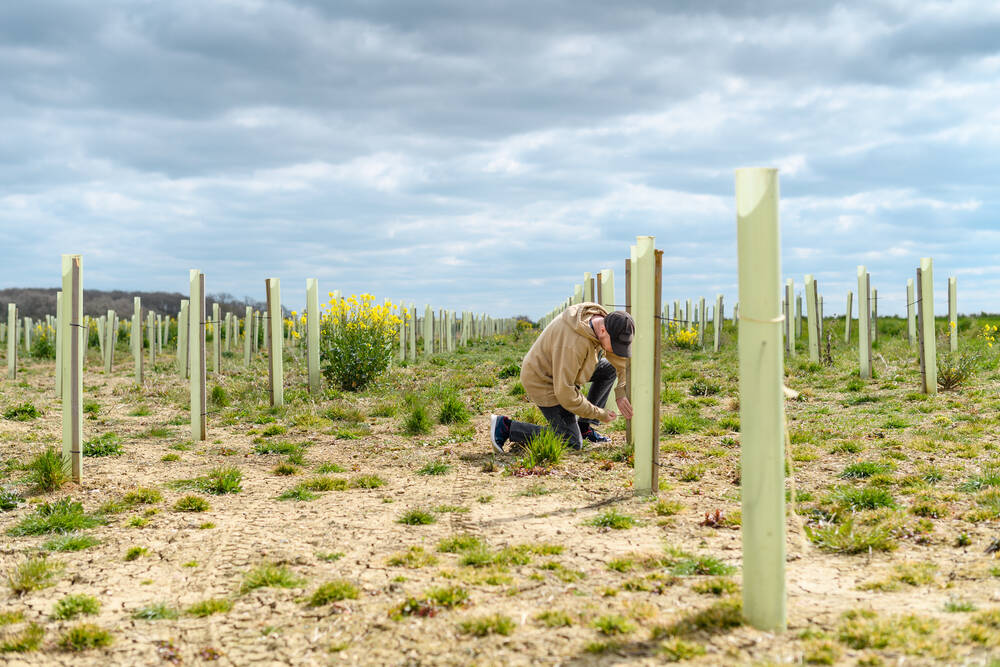
- Reforestation – directly combats deforestation by planting trees in areas that have been deforested, giving the forest a chance to take over again.
- Afforestation – is the planting of trees in non-forested areas. This converts degraded land (i.e. brownfield sites) into hotspots for biodiversity.
A flagship project in the UK is the Great Northumberland Forest, planting millions of trees in the North of England that began in 2020.
New forests regulate key ecosystem services like water regulation and soil erosion, and offer food, shelter and habitats for many keystone species.
Examples include dormouse, red squirrels, tawny owls, oak, silver birch and hazel trees.
A key challenge is that they require long-term management, not just planting: a new woodland can take decades to reach its ecological potential.
Peatland Restoration
A single centimetre of peat can take a decade to develop, averaging ~11 tonnes of carbon stored per hectare per cm. So with 80% of the UK’s peatlands drained or damaged, there’s not enough time in our lifetimes to make up for the loss.
Having been over-drained for development and agriculture for decades, rewetting and restoration projects aim to increase peat levels as much as we can, restore native vegetation, and prevent further losses.
A prominent project is the Great North Bog, launched formally in 2021, and aiming to restore up to 7,000 square km of degraded landscapes across upland Northern England by 2040.
Out of the 80% of our degraded peatlands, we can gauge that roughly 10% of it is actually being worked on.
The UK Peatland Strategy aims to have 2 million hectares of peatland in good condition by 2040 (about ⅔ of the total), so major efforts are underway to make progress and protect the important ecosystems.
Wetland Creation And Restoration
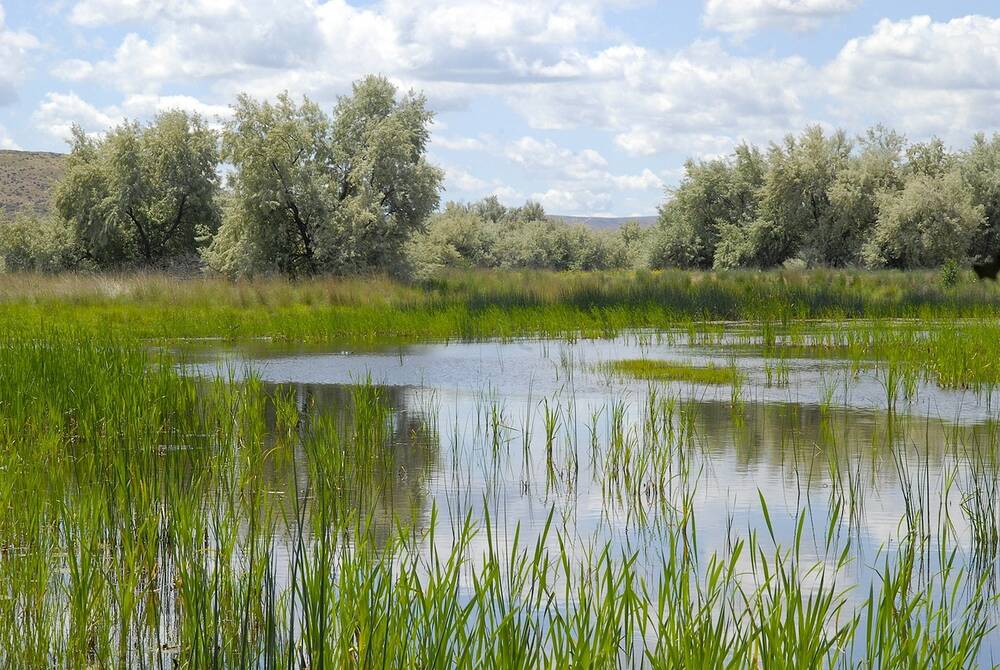
Wetlands are areas where the land is either seasonally or permanently saturated with still or slow-moving water, such as swamps, bogs, marshes, or fens.
With abundant water and nutrient-rich environments, these habitats can create ideal sheltering, feeding and breeding grounds for a diverse range of animals, such as migratory birds, fish, and many endangered species.
Wetlands provide some of the best habitats for water filtration and purification, essential to thriving biodiversity on the planet.
In the UK, the Wallasea Island Wild Coast Project in Essex is one of the most innovative and largest wetland restoration projects in Europe, restoring ancient coastal habitats and supporting species such as avocets, spoonbills and Brent geese.
Saltmarsh Restoration
Salt marshes occur when coastal wetlands become flooded with saltwater tides, consisting of low-lying, flat areas with sandy or muddy substrates.
They tend to be dominated by salt-tolerant vegetation like grasses, and can develop along estuaries or behind barrier islands.
They’re highly ecologically valuable by supporting fish nurseries and absorbing wave energy.
A flagship restoration project is the Medmerry Managed Realignment which began in 2011 and was breached (sea wall cut into) in 2013 in West Sussex.
It exists today as a nature reserve, supporting rarer fauna typical of thriving salt marshes such as avocets, water voles, Brent geese and little egrets.
Mangrove Restoration
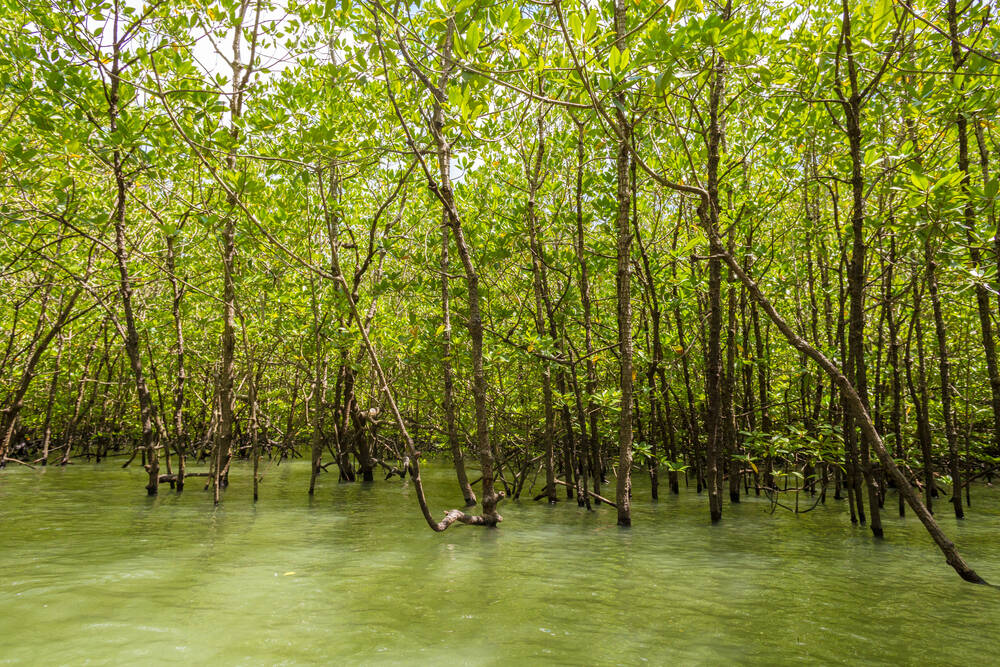
In tropical and subtropical coastal wetlands, mangroves consist of salt-tolerant shrubs and trees with stilt-like root systems which grow below and above the water in order to combat tidal forces and high salt quantities.
Mangroves can store up to 10 times the amount of carbon as forests, due to their high productivity, anoxic soil conditions, long lifespan, and complex root systems.
Their destruction on a major scale has contributed heavily towards planetary warming, as clearing mangroves can release up to around 1,000 tonnes of CO₂-equivalent per hectare from biomass and waterlogged soils into the atmosphere, where it can persist long term.
They support Bengal tigers, saltwater crocodiles, and dugongs (large gentle sea mammals).
River Rewilding
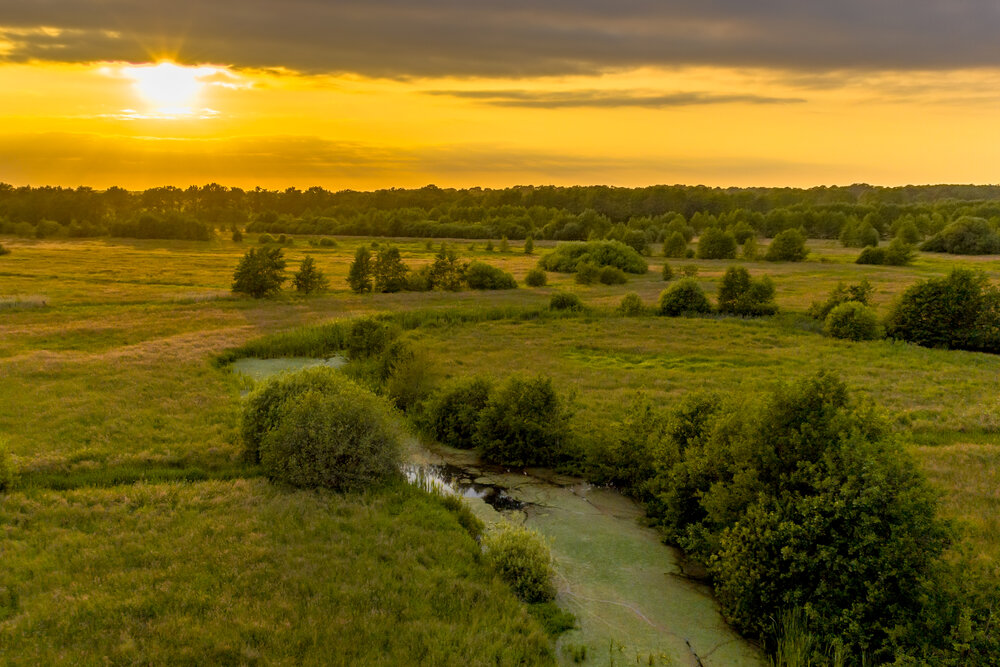
Rivers require rewilding because we have continuously dammed, drained, and disconnected rivers’ natural states for societal and economic gain.
A river is a continuous flow, affecting the distribution of sediment, nutrients and habitats. They are shallower and receive a uniform penetration of light allowing for widespread photosynthesis.
A river’s habitats change depending on its stage of course, headwaters, estuary or midstream. Different species will inhabit different stages.
Their restoration is crucial, supporting endangered species like the Eurasian beaver (formerly extinct), the kingfisher, otters and brown trout.
Most notably, the River Otter Beaver Trial in Devon ran from 2015 – 2020 and achieved their target of a self-sustaining beaver population within the dedicated catchment area.
Floodplain Reconnection
Similar to river rewilding, floodplain reconnecting involves reconnecting rivers to their natural floodplain.
That’s the flat land next to a river that should be naturally flooding when rivers rise with rain, depositing nutrients and allowing wetland habitats to thrive seasonally (like wet grassland, backwaters and ponds).
Reconnection is achieved by giving rivers room to spill out again, such as re-opening old channels or removing embankments.
The Duxford Old River Floodplain Restoration Project in Oxfordshire has successfully renaturalised channels and restored natural flooding since 2021.
Without reconnecting, rivers stay confined and drive a steady decline of crucial wetland species. Restored habitats are helping restore lowered populations of otter, eel, lapwing, curlew and more.
Urban Green Spaces
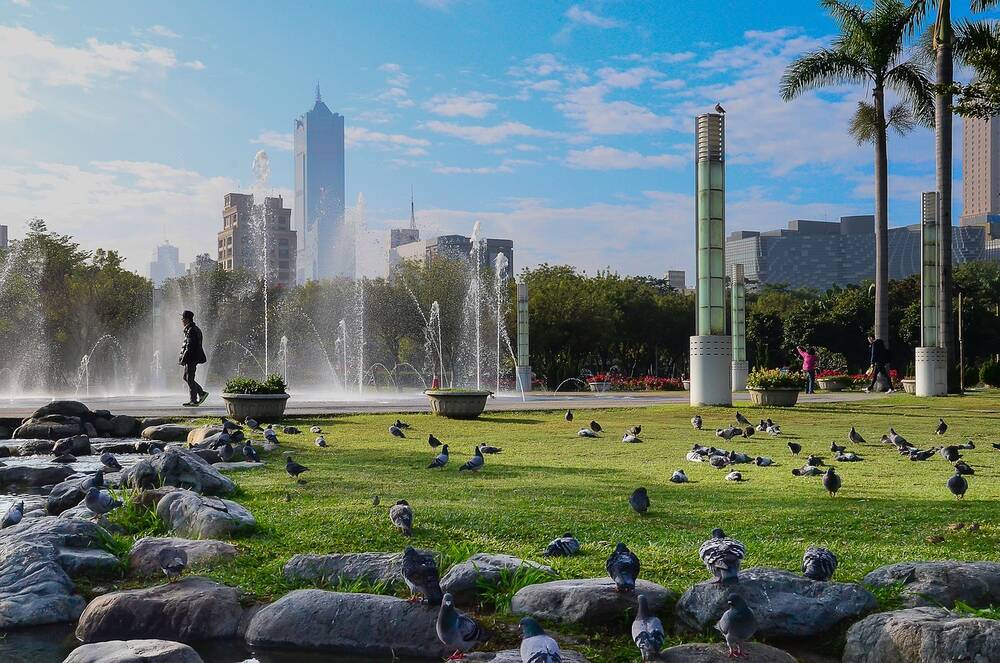
Increasing green spaces like parks, green roofs, and community gardens can serve as vital refuges for wildlife while also improving the quality of life for urban residents, encouraging a synergistic coexistence between people and urban wildlife.
Street trees also provide links between habitats fragmented by roads, trainlines, development and other causes of habitat loss from urbanisation, connecting parks, gardens and habitats and offering safe passages of travel between habitats.
Urban wetlands offer vital habitats for kingfishers, ducks, herons and other wetland birds, alongside frogs, newts and amphibians, largely supporting local biodiversity.
These ecosystems help mitigate flood risks, filter pollutants from urban runoff, and contribute to the overall health of the urban environment.
Green Roofs And Living Walls
Green roofs are less common in the UK; however development in England under the new Biodiversity Net Gain law calls for on-site habitat recreation where possible, which means that creative environmental considerations such as green roofs will be integrated into architectural planning.
They can offer rare refuge for nature in cities, with native plant species supporting pollinators and local wildlife such as birds. They mitigate rainwater runoff, with the roofs instead absorbing and retaining the rain, reducing risks of stormwater erosion and flooding.
Living walls can range all the way from Stefano Boeri’s Bosco Verticale (Vertical Forest) in Milan, home to nearly 17,000 shrubs, plants, and trees at over 110 metres tall, to the smaller-scale living walls dotted across London, i.e. The Athenaeum Hotel.
These purify air, provide microhabitats for insects, fungi, and mosses, attract pollinators, and create rare spaces for carbon sequestration within packed urban heat islands.
Agroforestry
Agroforestry is where trees are integrated with crops, shrubs and other livestock all in one habitat.
Deep roots of trees effectively stabilise the soil and retain large amounts of water.
High levels of biodiversity arise from rich habitats with abundant sources of food and shelter, fostering a more diverse food chain. Shade from overfoliage creates microclimates, lowering temperature extremes for crops and animals.
Our leading example is the Wakelyns Agroforestry Project since 1994, now 22.5 hectares of one of the most diverse, organic and oldest agroforestry tree networks in the UK.
Regenerative Agriculture
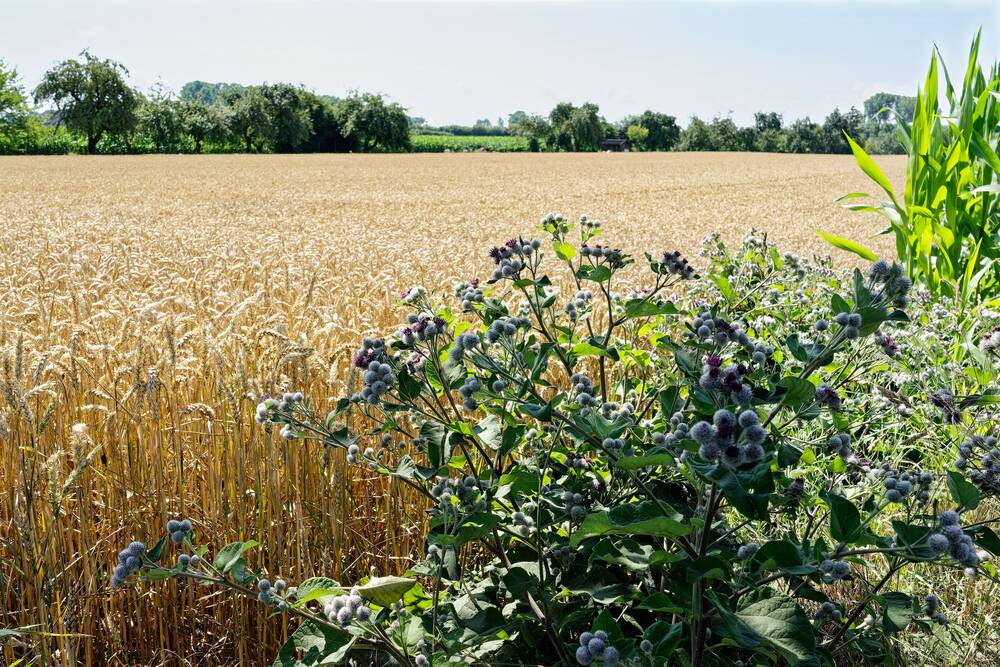
Regenerative agriculture involves non-traditional methods of farming with a primary objective of regenerating and enhancing ecosystem health while still yielding crops.
Traditional farming can rely on monocultures or heavy-duty machinery for short-term yields, detrimental to nature long term. Regenerative methods balance economic viability with enhancing the land rather than damaging.
Unconventional methods like no-till farming, crop covering and rotating, or composting allow ecological processes to continue and a more biodiverse environment in turn creating successful yields without harmful chemicals.
Seagrass Meadow Restoration
Seagrass meadows are found in shallow coastal waters, creating a dense sea floor with roots, stems and leaves anchored into the seabed.
In sunlit waters these thrive, mostly in the UK as eelgrass, in estuaries, bays and sheltered coasts.
Having declined heavily from urbanisation, major restoration efforts are underway. They possess ultra-effective carbon sequestering capabilities and boost invaluable biodiversity from seahorses to spider crabs.
Dune Restoration
Coastal sand dune habitats offer us strong coastal defences and a home for specialist species from the mottled grasshopper to the natterjack toad.
Extreme conditions of shifting sands are only suitable for a select few species, allowing them to thrive instead of being outcompeted or entirely lost.
Habitats are destroyed by constant tourist trampling, invasive species, and rising sea levels.
In Merseyside, the Sefton Coast Sand Dunes SAC Restoration has restored over 23 hectares of sand dunes along the coast since the early 2000s.
Methods involve fencing, walking paths, scrub removal, and grass planting.
Coral Reef Restoration
A thriving coral reef is always a biodiversity hotspot of complex, diverse marine life.
As reefs have been damaged over time by overacidification from carbon emissions, causing coral degradation and bleaching, they are less effective for carbon sequestration.
Conservation initiatives are underway to ensure that the corals maintain healthy ecosystems, such as reef restoration, overfishing reductions, and protecting crucial areas.
Nurseries and coral transplants encourage regrowth and allow for reef recovery and biodiversity restoration.
Hedgerow Creation And Restoration
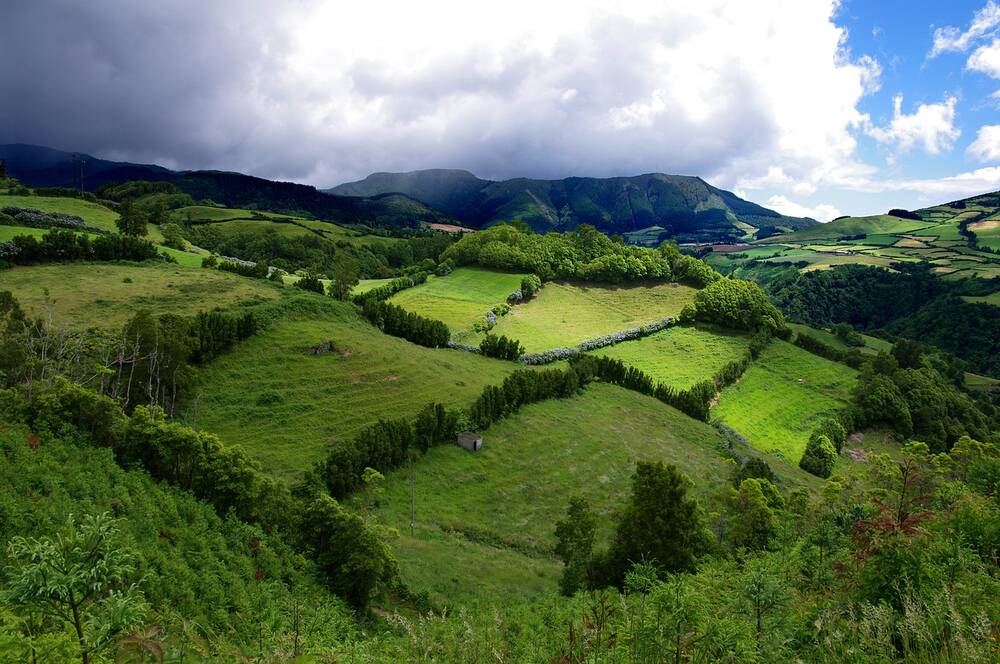
Hedgerows, one of the three main unit types under Biodiversity Net Gain (alongside Area and Watercourse), are silent ecological warriors.
Easily overlooked, they can be some of the best hotspots for biodiversity in the UK, homing thousands of species of mammals, birds and invertebrates including many of those rare and endangered.
Packed with herbaceous vegetation like wildflowers and grasses, they offer densely packed food, plus shelter and habitat for wildlife.
Crucially, they counter habitat fragmentation by facilitating safe travel between disconnected landscapes.
Leading hedgerow restoration projects include Hedgerow Heroes (CPRE), restoring over 75km of hedgerow across England since 2021.
More Information
https://researchbriefings.files.parliament.uk/documents/POST-PN-0668/POST-PN-0668.pdf
https://www.iucn-uk-peatlandprogramme.org/peatland-restoration
https://rewildingeurope.com/rew-project/wallasea-island-wild-coast-project
https://www.devonwildlifetrust.org/what-we-do/our-projects/river-otter-beaver-trial
https://www.bbowt.org.uk/what-we-do/future-nature-wtc/biodiversity-net-gain/duxford-habitat-bank
FAQs
What are nature-based solutions?
Nature-based solutions are sustainable actions to protect and restore ecosystems. They are a form of risk reduction against climate change.
How do nature-based solutions benefit people and the environment?
These actions help protect and restore ecosystems, support human wellbeing, and reduce environmental risk.
Who delivers nature-based solutions in practice?
They are frequently conducted by the public sector, community projects, environmental charities, private sector like BNG developers, farmers improving processes, and other forward-thinking organisations.
What happens if ecosystems are not restored?
Without these solutions, vulnerable ecosystems and habitats could easily be wiped out by unforeseen climate variabilities.
How do nature-based solutions support biodiversity long term?
Nature pathways can enable species movement and genetic exchange, rather than leaving wildlife isolated in small, fragile pockets vulnerable to collapse.